

The Indian Blue Book Report 2023 Underlines Good Uptake In Used Car Sales
- By Bhushan Mhapralkar
- May 23, 2024
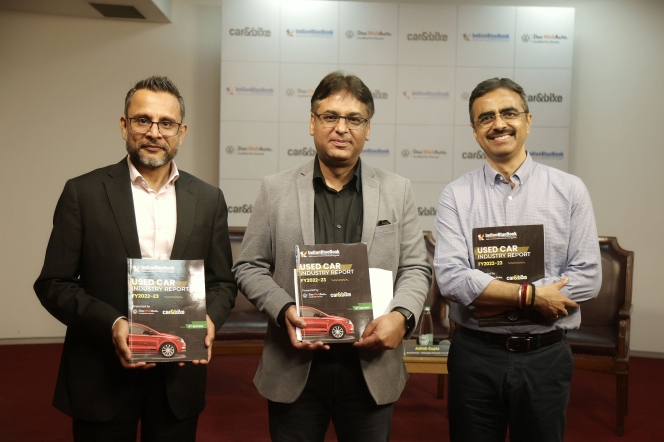
The Indian Blue Book (IBB) report by Car&Bike and Das WeltAuto (the used car division of Volkswagen) has underlined a significant uptake in used car sales in the country. As per the report, the sale of used cars is expected to reach 10.92 million units by FY2027-28 as the supply of good quality cars that were bought post the covid years starts to grow in the market.
Valued at USD 31.33 billion in FY2022-23 as per the sixth edition of IBB report, the used car market in India is currently witnessing higher demand versus supply in response to the drastic slowdown in new car purchases in the Covid fiscal (FY2020-21).
Expected to more than double to USD 70.48 billion in FY2027-28 as high-quality passenger vehicles bought in the years after the pandemic, the Indian used car market is in for a good show.
Roughly linked to a phenomenon where the slowdown in purchase of new cars leads to a surge in the demand for used cars, the arrival of passenger vehicles no more than 3.5 to five years of age, the used car market in India is expected to experience good momentum. It is also expected to see some formalisation, according to source, but grow nonetheless on the organised side as well as the unorganised side. The organised side of the used car market in the country is currently an estimated 35 percent.
As owners of new cars purchased post the pandemic period decide to upgrade, the buyers of used cars are expected to get to choose from high-quality cars, albeit with records and a higher residual value. Budget buyers looking at quality pre-owned cars on the back of being more informed about car technicalities, the present situation points at an increasing availability of cars that are not just well maintained, but are also replete with a good safety kit among other attributes. An example of such an offering is the Volkswagen Taigun, which has managed to retain 80 percent of its residual value after three years unlike the models sold by the German automaker earlier.
With the make, model and variant turning out to be a big consideration among 71 percent used car buyers, the tendency of buyers to inform themselves well is increasingly witnessed as per the BBI report. Stressing on the fact that majority of buyers are highly budget conscious (63 percent) even as they look for quality cars, the report highlights a pull towards used cars that offer a better safety kit and safety rating. The Volkswagen Taigun for example, is five-star GNCAP rated.
The sixth edition of the BBI – walking the foot steps of the earlier edition – highlights the fact that 71 percent of the used car buyers also acknowledged overall repairs and servicing costs as a big consideration.
About 45 percent of buyers/intenders prefer local dealers for exploring, followed by auto tech start-ups (26 percent) and OEM backed brands (23 percent). In terms of awareness and preferences of car leasing, 28 percent of buyers were found to be aware of the concept. The indication, as per the report, is that 62 percent of used car buyers would avail of the same in the future.
In the case of used car buyers, warranty and financial assistance topped the list of demands as a service. A majority of them – 56 percent of them – did not prefer an EV used car.
From the vehicle seller’s perspective, 59 percent of them reasoned that they wanted to upgrade to a new vehicle as the reason to do away with their existing set of wheels. Some of them reasoned that it was the sufficiency of having another vehicle. The extra cars bought during Covid-19 period are being sold now, the sixth edition of BBI report highlights.
What has been aiding the arrival of high-quality cars that were bought during the post pandemic period is being attributed to the fast tracking of auto technology. Automotive tech startups and OEM backed companies are ensuring that the actual Turn Around Time (TAT) to sell a car is down to three days!
Full payment within 24 hours remains the top priority for sellers followed by vehicle inspection at a location of their choice.
“The pre-owned car market is significantly growing with the potential of it being double by FY2028. The growth primarily comes from the evolving trends and customer preferences while selecting a pre-owned vehicle. A notable shift is the top priority for safety features, a transition similar to the new car industry, enabling a brand like Volkswagen, to be more accessible and in-demand for customers with our 5-star GNCAP rated product portfolio – Taigun and Virtus. The high preference for safety features and standards among customers is positively impacting the residual value of Volkswagen cars, especially the Taigun. We are confident the Das WeltAuto. business, will continue to grow as one of the top certified pre-owned car brands in India for customers,” said Ashish Gupta, Brand Director, Volkswagen Passenger Cars India.
Ashutosh Pandey, CEO & MD, Mahindra First Choice, averred, “The latest edition of the Indian Blue Book, a collaboration with Das WeltAuto. by Volkswagen, reinforces our confidence in the Indian pre-owned car market's explosive growth potential. The increasing involvement of organized players is bringing stability and trust to this market; achieving consistent profitability and providing superlative customer experience remains the top priorities for organised players.”
Mahindra First Choice Wheels-backed Indian Blue Book launched the first edition in 2015 to highlight the trends in the used car industry in India. Since then, the annual report has been established as the largest and most intensive primary research conducted in India. Since 2022 Das WeltAuto., the pre-owned car brand of Volkswagen, and Car&Bike, a 100 percent subsidiary of Mahindra First Choice Wheels, have co-curated this research report.
- BMW India
- BMW Motorrad India
- Nurburgring
- BMW M2 Coupé
- BMW M3 Sedan
- BMW M4 Coupé
- BMW M5 Sedan
- BMW M5 Touring
- BMW M 1000 R
BMW And BMW Motorrad Introduce 100 Jahre Nurburgring Limited Edition Vehicles In India
- By MT Bureau
- October 02, 2026
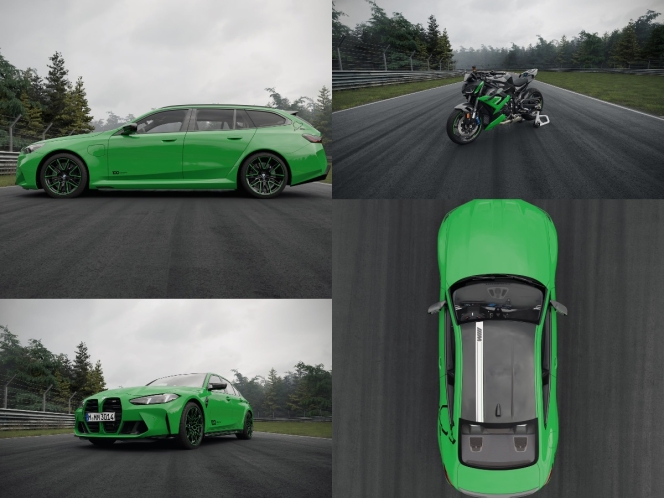
German automotive luxury brand BMW India and BMW Motorrad India have opened pre-orders for the ‘100 Jahre Nurburgring’ edition vehicles to mark the upcoming 100th anniversary of the Nurburgring racetrack in 2027.
The limited collection includes five BMW M car models – the BMW M2 Coupé, BMW M3 Sedan, BMW M4 Coupé, BMW M5 Sedan and the BMW M5 Touring – alongside the BMW M 1000 R motorcycle. The release marks the entry of the BMW M5 Touring into the Indian market.
The edition models feature specific paint finishes in Nurburgring Green and Sapphire Black metallic with green accents, incorporating the ‘100 Years’ logo, Nurburgring since 1927 lettering and the Nurburgring circuit outline.
Exterior details include carbon fibre roofs, model-specific graphics and green wheel accents across select models, while the M5 Touring features a steel roof with custom stripes. Interior specifications across the car lineup include black leather with green and white stitching, door sills, carbon fibre trims, M Carbon bucket seats with individual upholstery, and an M Alcantara steering wheel with a 12 o'clock marker.
The BMW M 1000 R motorcycle features a painted fuel tank with the Nurburgring outline, an airbox cover with ‘one of 100’ numbering, carbon wheels with green accent stripes, an Alcantara seat with embroidered ‘100’ logos and black components for the rear swingarm and frame.
Honda Cars India Sales Decline 19% In September 2026
- By MT Bureau
- October 02, 2026
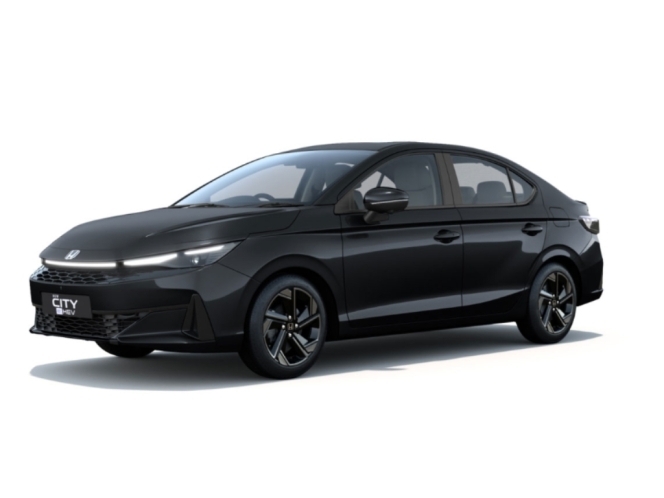
Honda Cars India (HCIL), one of the leading manufacturers of passenger vehicles in the country, has announced its wholesales for September 2026.
The company reported total sales of 6,955 units, down 16 percent YoY, as compared to 8,296 units sold for the same period last year.
In the domestic market, the company sold 4,465 units, down 19 percent YoY, as compared to 5,503 units sold a year ago. On the exports front, the company shipped 2,490 units, down 11 percent YoY, as compared to 2,793 units last year.
Kunal Behl, Vice-President, Marketing & Sales, Honda Cars India, said, We are pleased to see positive sales momentum for the Honda City and Honda Amaze during the month. We are also gearing up for the launch of new Elevate, which will further strengthen our SUV offering with a refreshed and enhanced package. With the festive season underway and an exciting product introduction ahead, we look forward to building stronger momentum in the coming months.”
Kia India Clocks Highest-Ever Monthly Sales Of 32,017 Units In September 2026
- By MT Bureau
- October 01, 2026
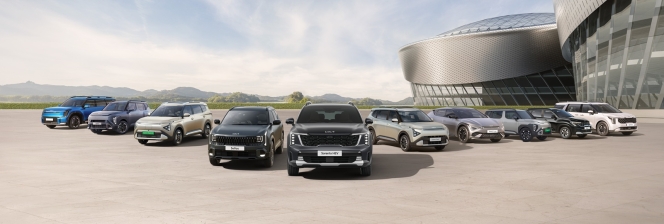
Kia India, one of the leading passenger vehicle manufacturers, has reported its best-ever monthly wholesale performance of 32,017 units in September 2026, representing a 41 percent increase compared to 22,700 units sold last year.
For Q3 of CY2026, the company recorded sales of 89,259 units, reflecting a 38.5 percent growth over 64,443 units for the same period last year.
In terms of YTD (January – September 2026) cumulative sales reached 253,008 units, marking a 22.5 percent increase from 206,582 units reported during the corresponding period in 2025.
Kia India attributed the robust performance to healthy demand across its portfolio incuding Seltos and Sonet models, alongside contributions from the Carens, Carens Clavis, Clavis EV, Syros EV and Sorento, which is offered in diesel and hybrid powertrain options. The company's powertrain options now span petrol, diesel, CNG, hybrid, and electric configurations across its product range.
Atul Sood, Senior Vice-President of Sales and Marketing, Kia India, said, "Our strong performance in September and across the third quarter reflects the continued trust of our customers and the strength of Kia’s evolving portfolio. The Seltos and Sonet continue to be key contributors to our growth, while the strong response to the Sorento and Syros EV reinforces our strategy of expanding into new segments and powertrain categories in line with evolving customer aspirations. As mobility needs become increasingly diverse, we are focused on providing meaningful choice across conventional, CNG, hybrid and electric powertrains, supported by ownership solutions that address real customer needs. We remain committed to building on this momentum through distinctive products, advanced technologies and differentiated experiences designed around the needs of Indian customers."
At present, Kia India operates a retail and service network comprising 915 touchpoints across 425 cities, alongside 137 certified pre-owned outlets across the country.
Toyota Kirloskar Motor Sells 25,027 PVs In September 2026
- By MT Bureau
- October 01, 2026
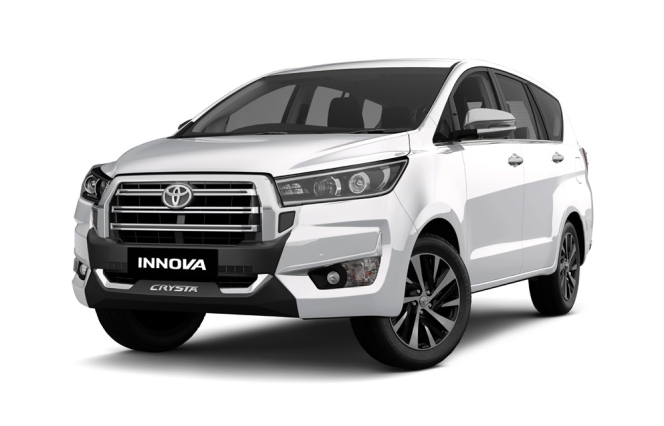
Toyota Kirloskar Motor (TKM), one of the leading passenger vehicle manufacturers, has reported its total wholesales of 28,218 units in September 2026, comprising 25,027 units sold in the domestic market and 3,191 units exported.
For the YTD period (January – September 2026), the automaker reported cumulative total sales of 294,914 units, representing an 8 percent increase compared to 272,824 units sold last year.
Domestic sales for the 9-month period rose 9 percent to 269,619 units, up from 247,081 units in the previous year, while exports reached 25,295 units, compared to 25,743 units a year ago.
Sabari Manohar, Executive Vice-President of Sales-Service-Used Car Business, Toyota Kirloskar Motor, said, "September witnessed continued customer interest across segments, supported by our focus on quality, durability and reliability. As we enter the festive season, we remain committed to strengthening customer engagement and working closely with our dealer partners to deliver enhanced mobility experiences and address evolving customer needs."
Comments (0)
ADD COMMENT