

KONA N: First SUV To Join the Hyundai N Family
- By MT Bureau
- April 29, 2021
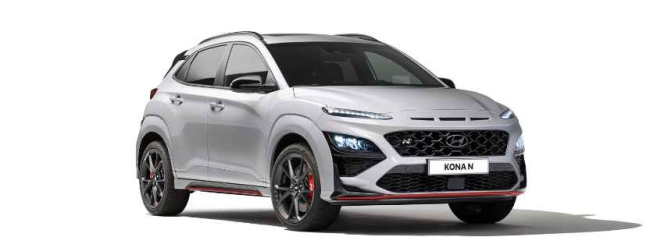
Hyundai Motors has revealed the all-new KONA N 'hot SUV' that combines performance with versatility. This will be the first SUV to join the N line-up.
The KONA N comes equipped with a four-cylinder 2.0l T-GDI engine that produces 275 hp and 392 Nm of power. The flat power engine combined with the sporty design of the SUV and various motorsport-inspired features like 19-inch forged alloy wheels and sports seat offers an all-around dynamic driving experience.
KONA N is the second N-model in Europe to offer the N DCT, 8-speed dual-clutch transmission that provides a sporty, high-performance character to the SUV. The N DCT features three high-performance functions to heighten the sporty character of the SUV: N Power Shift, N Grin Shift, N Track Sense Shift.
In addition, the hot SUV also comes equipped with technology like Electronic Limited Slip Differential (e-LSD), various Electronic Stability Control (ESC) modes, multi-mode Traction Control and N Grin Control System that contribute to its everyday sports car character.
On the exterior, the KONA N features body-coloured design elements with N-exclusive red accents. The iconic shark-nose front end of the KONA is complemented by large air inlets that help cool the powerful engine under the hood. The front splitter has been extended by 10mm to improve the aerodynamic balance of the car. A new front grille design and an aggressive light signature add a powerful presence to the KONA N.
The car sits visually lower when viewed from the side, while the dark satin grey alloys and red callipers accentuate the sporty character of the SUV. Adding to this, the double wing roof spoiler with the large diffuser at the rear maintains the car's aerodynamic balance. The triangular brake light, red accents and large exhaust mufflers emphasise the performance spirit of the vehicle.
The interior of the KONA N is finished in high-quality Alcantara materials along with an N-branded handbrake that features non-slip perforated leather and a thicker grip area for a more secure braking performance. The N-exclusive sports steering and paddle shifters feature a design optimised for the perfect grip and button layout necessary for dynamic driving.
In terms of safety, the KONA N comes equipped with:
• Blind-Spot Collision-Avoidance Assist (BCA) – sounds a warning and applies differential braking to prevent the vehicle from colliding into another car in the adjacent lane
• Rear Cross-Traffic Collision-Avoidance Assist (RCCA) – sounds a warning and applies the brakes to prevent a rear-end collision when the car is backing up, and another vehicle comes from the side, for example, when exiting a parking space
• Smart Cruise Control (SCC) – maintains vehicle speed and following distance
• Leading Vehicle Departure Alert (LVDA) – if the car is stopped, the vehicle ahead of it starts moving, and the driver does not react quickly enough, this system sounds an alert to direct the driver's attention back to the road gently
• Lane Keeping Assist (LKA) – automatically keeps the car centred in the lane, corrects course if the vehicle reaches the lane markings by using a front-view camera
• Lane Following Assist (LFA) – automatically adjusts the steering wheel to keep the vehicle centred in its lane
• Intelligent Speed Limit Warning (ISLW) – recognises road signs and displays the speed limit and no-passing signs in real-time in both the AVN and cluster
• Safe Exit Warning (SEW) – works to prevent an accident when the car is parked and a passenger attempts to open the door while another vehicle is approaching from the rear side. A warning light also appears on the cluster to alert the driver of the potential danger
• Rear Seat Alert (RSA) – automatically alerts the driver if someone or something is in the back seat if they attempt to leave the vehicle
• Forward Collision-Avoidance Assist with vehicle, pedestrian and cyclist detection (FCA) – sounds an alarm and, if necessary, applies the brakes if a collision becomes imminent. Using radar and a camera, the system has been updated to better detect pedestrians and cyclists, in addition to other vehicles
• High Beam Assist (HBA) – detects both oncoming vehicles and vehicles ahead in the same lane and adjusts to low-beam lights as appropriate
• Driver Attention Warning (DAW) – continuously monitors and analyses driving patterns through data inputs to detect fatigue or distraction. The driver is alerted with an audible warning and pop-up message to suggest when it is time to take a break
• eCall – allows passengers to contact emergency services at the press of a button; also, automatically alerts first responders if the vehicle's airbags are deployed (MT)
- BMW India
- BMW Motorrad India
- Nurburgring
- BMW M2 Coupé
- BMW M3 Sedan
- BMW M4 Coupé
- BMW M5 Sedan
- BMW M5 Touring
- BMW M 1000 R
BMW And BMW Motorrad Introduce 100 Jahre Nurburgring Limited Edition Vehicles In India
- By MT Bureau
- October 02, 2026
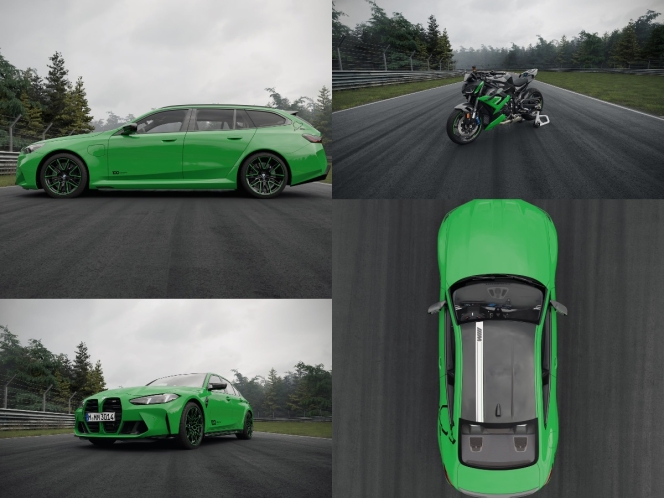
German automotive luxury brand BMW India and BMW Motorrad India have opened pre-orders for the ‘100 Jahre Nurburgring’ edition vehicles to mark the upcoming 100th anniversary of the Nurburgring racetrack in 2027.
The limited collection includes five BMW M car models – the BMW M2 Coupé, BMW M3 Sedan, BMW M4 Coupé, BMW M5 Sedan and the BMW M5 Touring – alongside the BMW M 1000 R motorcycle. The release marks the entry of the BMW M5 Touring into the Indian market.
The edition models feature specific paint finishes in Nurburgring Green and Sapphire Black metallic with green accents, incorporating the ‘100 Years’ logo, Nurburgring since 1927 lettering and the Nurburgring circuit outline.
Exterior details include carbon fibre roofs, model-specific graphics and green wheel accents across select models, while the M5 Touring features a steel roof with custom stripes. Interior specifications across the car lineup include black leather with green and white stitching, door sills, carbon fibre trims, M Carbon bucket seats with individual upholstery, and an M Alcantara steering wheel with a 12 o'clock marker.
The BMW M 1000 R motorcycle features a painted fuel tank with the Nurburgring outline, an airbox cover with ‘one of 100’ numbering, carbon wheels with green accent stripes, an Alcantara seat with embroidered ‘100’ logos and black components for the rear swingarm and frame.
Honda Cars India Sales Decline 19% In September 2026
- By MT Bureau
- October 02, 2026
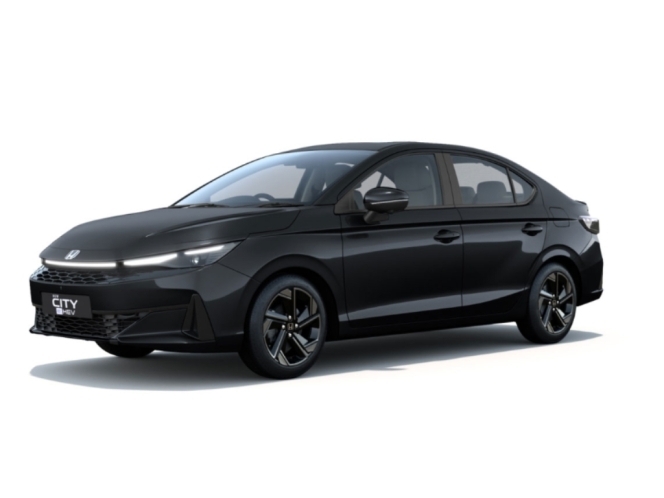
Honda Cars India (HCIL), one of the leading manufacturers of passenger vehicles in the country, has announced its wholesales for September 2026.
The company reported total sales of 6,955 units, down 16 percent YoY, as compared to 8,296 units sold for the same period last year.
In the domestic market, the company sold 4,465 units, down 19 percent YoY, as compared to 5,503 units sold a year ago. On the exports front, the company shipped 2,490 units, down 11 percent YoY, as compared to 2,793 units last year.
Kunal Behl, Vice-President, Marketing & Sales, Honda Cars India, said, We are pleased to see positive sales momentum for the Honda City and Honda Amaze during the month. We are also gearing up for the launch of new Elevate, which will further strengthen our SUV offering with a refreshed and enhanced package. With the festive season underway and an exciting product introduction ahead, we look forward to building stronger momentum in the coming months.”
Kia India Clocks Highest-Ever Monthly Sales Of 32,017 Units In September 2026
- By MT Bureau
- October 01, 2026
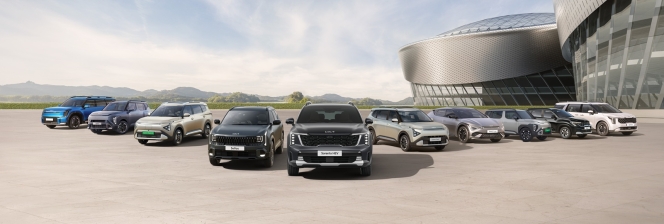
Kia India, one of the leading passenger vehicle manufacturers, has reported its best-ever monthly wholesale performance of 32,017 units in September 2026, representing a 41 percent increase compared to 22,700 units sold last year.
For Q3 of CY2026, the company recorded sales of 89,259 units, reflecting a 38.5 percent growth over 64,443 units for the same period last year.
In terms of YTD (January – September 2026) cumulative sales reached 253,008 units, marking a 22.5 percent increase from 206,582 units reported during the corresponding period in 2025.
Kia India attributed the robust performance to healthy demand across its portfolio incuding Seltos and Sonet models, alongside contributions from the Carens, Carens Clavis, Clavis EV, Syros EV and Sorento, which is offered in diesel and hybrid powertrain options. The company's powertrain options now span petrol, diesel, CNG, hybrid, and electric configurations across its product range.
Atul Sood, Senior Vice-President of Sales and Marketing, Kia India, said, "Our strong performance in September and across the third quarter reflects the continued trust of our customers and the strength of Kia’s evolving portfolio. The Seltos and Sonet continue to be key contributors to our growth, while the strong response to the Sorento and Syros EV reinforces our strategy of expanding into new segments and powertrain categories in line with evolving customer aspirations. As mobility needs become increasingly diverse, we are focused on providing meaningful choice across conventional, CNG, hybrid and electric powertrains, supported by ownership solutions that address real customer needs. We remain committed to building on this momentum through distinctive products, advanced technologies and differentiated experiences designed around the needs of Indian customers."
At present, Kia India operates a retail and service network comprising 915 touchpoints across 425 cities, alongside 137 certified pre-owned outlets across the country.
Toyota Kirloskar Motor Sells 25,027 PVs In September 2026
- By MT Bureau
- October 01, 2026
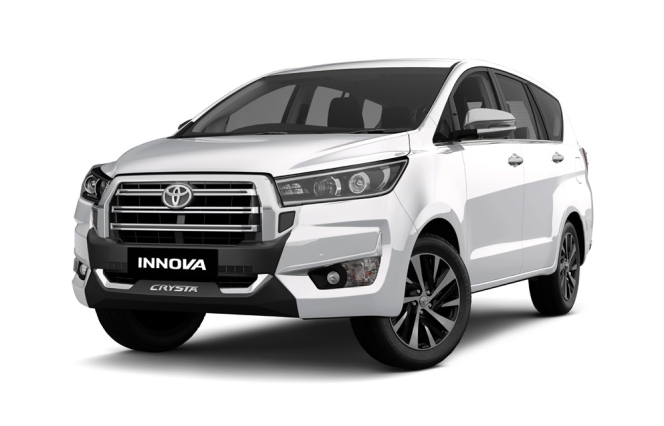
Toyota Kirloskar Motor (TKM), one of the leading passenger vehicle manufacturers, has reported its total wholesales of 28,218 units in September 2026, comprising 25,027 units sold in the domestic market and 3,191 units exported.
For the YTD period (January – September 2026), the automaker reported cumulative total sales of 294,914 units, representing an 8 percent increase compared to 272,824 units sold last year.
Domestic sales for the 9-month period rose 9 percent to 269,619 units, up from 247,081 units in the previous year, while exports reached 25,295 units, compared to 25,743 units a year ago.
Sabari Manohar, Executive Vice-President of Sales-Service-Used Car Business, Toyota Kirloskar Motor, said, "September witnessed continued customer interest across segments, supported by our focus on quality, durability and reliability. As we enter the festive season, we remain committed to strengthening customer engagement and working closely with our dealer partners to deliver enhanced mobility experiences and address evolving customer needs."



Comments (0)
ADD COMMENT