

Style Leads, Power Dominates In New Fortuner And Legender
- By T Murrali
- February 24, 2021
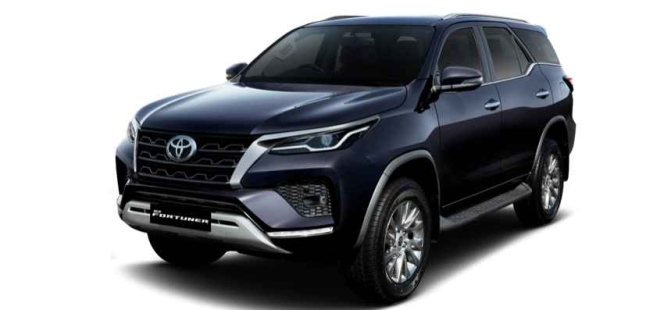
The Fortuner has been a significant player in the segment with over 53 percent share. The company officials hope that the new avatar of Fortuner and the new Legender will help build upon its strengths and further improve the company’s market share in this segment. But Naveen Soni, Senior Vice President, TKM, puts it differently. He says the company has always been trying to go beyond the customer’s expectations and get more and more customers through that process.
Yoshiki Konishi, Chief Engineer, Toyota Motor Corporation, is confident that both the models will enthral customers and help the company get good numbers. “The new Fortuner is born out of our understanding of customer feedback. The idea was to enhance the toughness of the vehicle and give it a powerful presence and distinctiveness like no other.”
Konishi said, there were several inputs received from India for the development of the Legender and many of them incorporated in these vehicles. He said he visited India number of times and the two words he assimilated deeper were sophistication and exclusivity. Taking a cue from the vehicles’ design and development journey, he said these inputs made the team introduce new LED headlamps and created a futuristic image. “We also introduced kick-sensor and wireless smartphone charger. These features are good for the customer,” he said.
The grill has been enlarged, and the bumper’s side has been sculpted in the pontoon shape. These changes heighten the commanding identity of the new Fortuner. The sleek and the stylish design of the headlamp, the rear combination lamp and the alloy wheels give it a luxurious look. The addition of the skid-plate has amplified its tough looks. The new Split Rear Combi-Lamps give it a unique night time look that is hard to miss.
LED headlamps of the new Fortuner have a distinctive sharp design line guide added to give a unique signature to the vehicle along with crystal clear vision. Additionally, the dual-functional DRLs add to the style quotient and magnetic attention. The split rear combi lamps give it unique nighttime, that’s hard to miss. The multi-spoke alloy wheels, along with chrome metallic finish create a premium and robust presence.
“Our enhancements were more than just skin deep; we have also upgraded the engine by introducing a new heavy-duty Turbo, designed for powerful performance, and improved frictional efficiency. As a result, the Fortuner automatic now puts out 500Nm of torque, making it the best in the segment,” Konishi said.
The Fortuner is designed for leisure traveller and a lifestyle seeker. To suit his demanding tastes, the vehicle comes with several connected features. The 11-speaker premium JBL audio system with subwoofer will further enhance the drive experience with an epic acoustic output. The suction based seat ventilation system (front row) helps keep the driver and co-passenger comfortable. Instead of blower used in the conventional method, the pores in the seats suck the air from the cabin, thereby taking away the heat, making it well-suited for long journeys.
For added driving comfort and convenience, the new Fortuner comes with Auto Limited Slip Differential (Auto- LSD) that enables maximum power without breaking traction, Variable Flow Control (VFC) Power Steering that allows customers to dynamically change steering dynamics with drive modes [Eco, Normal, Sport] and Front Clearance Sonar to safely navigate when parking in tight spaces.
The 4X4 (AT and MT) variants enhance their off-road credentials with a Lockable Differential as an additional feature to ensure a firm footing when navigating in extreme terrains. In addition, it also has Downhill Assist Control, Active Traction Control (A-TRC), Auto Limited Slip Differential and Electronic Drive Control.
The new Fortuner will be available in existing colours of Phantom Brown, Super White, Attitude Black, Avant-Garde Bronze, Grey Metallic, Silver Metallic, Pearl White Crystal Shine and a new colour of Sparkling Black Crystal Shine.
TKM also unveiled the Legender with diesel powertrain and available only in Pearl White with Black roof (Dual-tone) colour. An essential addition to the new Fortuner & Legender is connected technology that enables features like Geo-fencing, Real-time tracking, last parked location for peace of mind. The infotainment system also comes with Android Auto/Apple Carplay connectivity to provide more convenience.
Powertrain
As the SUV fans also look for performance, the company has made significant changes to the powertrain by introducing a new heavy-duty turbo engine and improving frictional efficiency. These initiatives resulted in delivering torque that is best in the segment. The new Fortuner is available in 2.8 L diesel engine with 6-speed automatic and 6-speed manual transmission with Intelligent Manual Transmission options and 2.7 L petrol engine in 6-speed automatic and 5-speed manual transmission. The Fortuner Automatic Transmission variants provide 500 Nm torque and 204 PS of power while Manual Transmission variants generate 204 PS of power and 420 Nm torque.
The performance upgrades are on the engine and on drivability by incorporating variable flow control to the power steering. It gives twin benefits; it makes the steering lighter at low speed in city traffic condition while it becomes heavier at a higher speed while cruising on the highway. Also, the steering dynamics now change with the drive modes such as Eco / Normal / Sport enabling to adapt according to the chosen drive mode intelligently. As the Fortuner has been the go-anywhere SUV and favourite amongst off-road fans, the 4X4 capability of the new model is now enhanced with the lockable differential which allows it to go over various extreme terrains and ensure a firm footing.

Legenders
With its philosophy to cater to customers’ expectations, the company has introduced Legender crafted for India. “For the Legender, we have brought in a sense of exclusivity in the design language and style. The bold proportions and advanced features make it look cooler and modernised, giving it a true premium stance and outlook. We are confident customers will appreciate the tweaks we have introduced specifically for the Indian market,” Konishi added.
The bold proportions result from initiatives that the company has taken to demonstrate clear differentiation, making the SUV cooler and futuristic. The sharp nose creates a robust forward movement which emphasises a sleek and cool upper body. The shape is modernised by the large pontoon style fog lamps and other style elements. The split quad LEDs with a waterfall led line guide signature that helps turn the darkest of nights filled with brightness. The Legenders comes with a black roof that lends an exclusive two-tone look.
Masakazu Yoshimura, Managing Director, TKM said, “For more than a decade, the Fortuner has proven itself to be the most dependable SUV becoming the top-most choice for customers across every corner of the country. The Fortuner witnessed demand despite the effects of the pandemic on the economy. I am confident the new Fortuner and exclusive new Legender with their bold styling, advanced features and rugged frame structure will offer value, versatility and superiority attracting many existing customers to upgrade while bringing in a new set of customers to the Toyota family”. (MT)
- BMW India
- BMW Motorrad India
- Nurburgring
- BMW M2 Coupé
- BMW M3 Sedan
- BMW M4 Coupé
- BMW M5 Sedan
- BMW M5 Touring
- BMW M 1000 R
BMW And BMW Motorrad Introduce 100 Jahre Nurburgring Limited Edition Vehicles In India
- By MT Bureau
- October 02, 2026
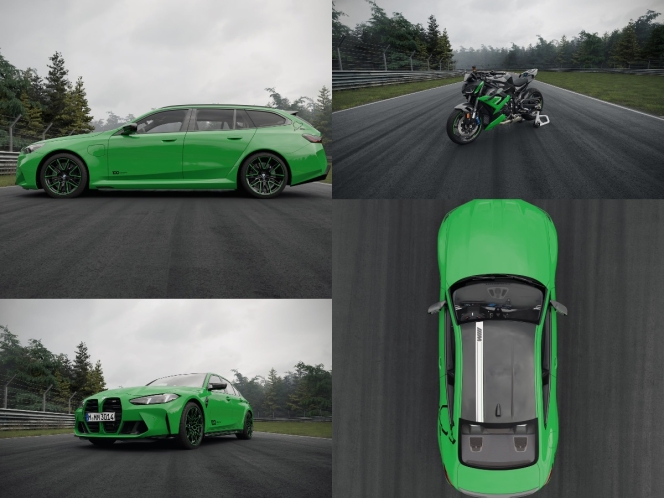
German automotive luxury brand BMW India and BMW Motorrad India have opened pre-orders for the ‘100 Jahre Nurburgring’ edition vehicles to mark the upcoming 100th anniversary of the Nurburgring racetrack in 2027.
The limited collection includes five BMW M car models – the BMW M2 Coupé, BMW M3 Sedan, BMW M4 Coupé, BMW M5 Sedan and the BMW M5 Touring – alongside the BMW M 1000 R motorcycle. The release marks the entry of the BMW M5 Touring into the Indian market.
The edition models feature specific paint finishes in Nurburgring Green and Sapphire Black metallic with green accents, incorporating the ‘100 Years’ logo, Nurburgring since 1927 lettering and the Nurburgring circuit outline.
Exterior details include carbon fibre roofs, model-specific graphics and green wheel accents across select models, while the M5 Touring features a steel roof with custom stripes. Interior specifications across the car lineup include black leather with green and white stitching, door sills, carbon fibre trims, M Carbon bucket seats with individual upholstery, and an M Alcantara steering wheel with a 12 o'clock marker.
The BMW M 1000 R motorcycle features a painted fuel tank with the Nurburgring outline, an airbox cover with ‘one of 100’ numbering, carbon wheels with green accent stripes, an Alcantara seat with embroidered ‘100’ logos and black components for the rear swingarm and frame.
Honda Cars India Sales Decline 19% In September 2026
- By MT Bureau
- October 02, 2026
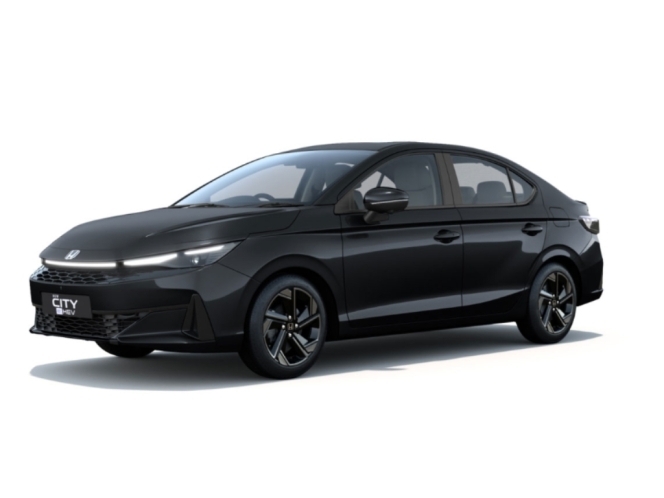
Honda Cars India (HCIL), one of the leading manufacturers of passenger vehicles in the country, has announced its wholesales for September 2026.
The company reported total sales of 6,955 units, down 16 percent YoY, as compared to 8,296 units sold for the same period last year.
In the domestic market, the company sold 4,465 units, down 19 percent YoY, as compared to 5,503 units sold a year ago. On the exports front, the company shipped 2,490 units, down 11 percent YoY, as compared to 2,793 units last year.
Kunal Behl, Vice-President, Marketing & Sales, Honda Cars India, said, We are pleased to see positive sales momentum for the Honda City and Honda Amaze during the month. We are also gearing up for the launch of new Elevate, which will further strengthen our SUV offering with a refreshed and enhanced package. With the festive season underway and an exciting product introduction ahead, we look forward to building stronger momentum in the coming months.”
Kia India Clocks Highest-Ever Monthly Sales Of 32,017 Units In September 2026
- By MT Bureau
- October 01, 2026
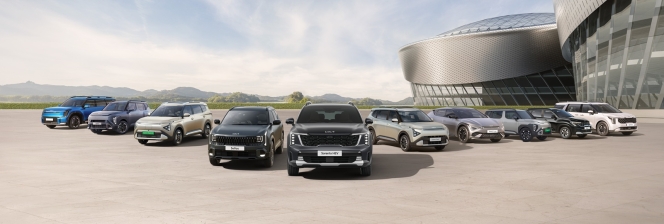
Kia India, one of the leading passenger vehicle manufacturers, has reported its best-ever monthly wholesale performance of 32,017 units in September 2026, representing a 41 percent increase compared to 22,700 units sold last year.
For Q3 of CY2026, the company recorded sales of 89,259 units, reflecting a 38.5 percent growth over 64,443 units for the same period last year.
In terms of YTD (January – September 2026) cumulative sales reached 253,008 units, marking a 22.5 percent increase from 206,582 units reported during the corresponding period in 2025.
Kia India attributed the robust performance to healthy demand across its portfolio incuding Seltos and Sonet models, alongside contributions from the Carens, Carens Clavis, Clavis EV, Syros EV and Sorento, which is offered in diesel and hybrid powertrain options. The company's powertrain options now span petrol, diesel, CNG, hybrid, and electric configurations across its product range.
Atul Sood, Senior Vice-President of Sales and Marketing, Kia India, said, "Our strong performance in September and across the third quarter reflects the continued trust of our customers and the strength of Kia’s evolving portfolio. The Seltos and Sonet continue to be key contributors to our growth, while the strong response to the Sorento and Syros EV reinforces our strategy of expanding into new segments and powertrain categories in line with evolving customer aspirations. As mobility needs become increasingly diverse, we are focused on providing meaningful choice across conventional, CNG, hybrid and electric powertrains, supported by ownership solutions that address real customer needs. We remain committed to building on this momentum through distinctive products, advanced technologies and differentiated experiences designed around the needs of Indian customers."
At present, Kia India operates a retail and service network comprising 915 touchpoints across 425 cities, alongside 137 certified pre-owned outlets across the country.
Toyota Kirloskar Motor Sells 25,027 PVs In September 2026
- By MT Bureau
- October 01, 2026
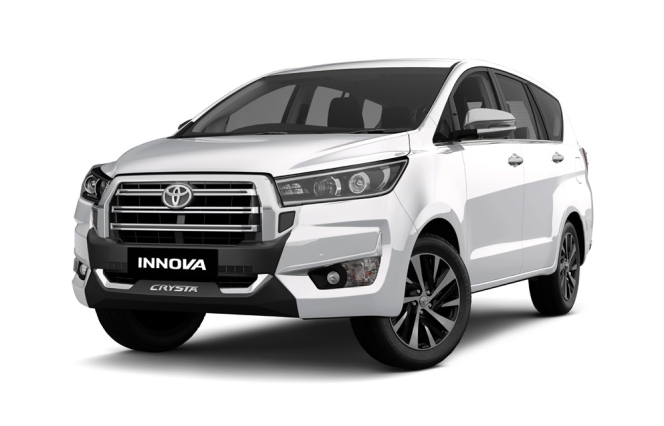
Toyota Kirloskar Motor (TKM), one of the leading passenger vehicle manufacturers, has reported its total wholesales of 28,218 units in September 2026, comprising 25,027 units sold in the domestic market and 3,191 units exported.
For the YTD period (January – September 2026), the automaker reported cumulative total sales of 294,914 units, representing an 8 percent increase compared to 272,824 units sold last year.
Domestic sales for the 9-month period rose 9 percent to 269,619 units, up from 247,081 units in the previous year, while exports reached 25,295 units, compared to 25,743 units a year ago.
Sabari Manohar, Executive Vice-President of Sales-Service-Used Car Business, Toyota Kirloskar Motor, said, "September witnessed continued customer interest across segments, supported by our focus on quality, durability and reliability. As we enter the festive season, we remain committed to strengthening customer engagement and working closely with our dealer partners to deliver enhanced mobility experiences and address evolving customer needs."
Comments (0)
ADD COMMENT