

Hyundai Motor India and Radio Mirchi Launch Traffic Quality Index
- By MT Bureau
- August 17, 2026

Hyundai Motor India, in partnership with Radio Mirchi, has launched the Hyundai Traffic Quality Index, a standardised traffic rating framework designed to convey real-time road conditions across seven major Indian cities. The initiative operates across Delhi, Mumbai, Bengaluru, Chennai, Hyderabad, Pune and Kolkata.
The system translates live traffic inputs, on-ground reports and official traffic police advisories into a numerical scale from 1 to 10. The ratings are categorised into three colour-coded tiers: 1 to 3 represented in green for light traffic, 4 to 7 in yellow for moderate traffic and 8 to 10 in red for heavy congestion. Updates are broadcast over Radio Mirchi’s audio network to inform drivers during commutes without requiring direct interaction with mobile devices.
The system processes real-time location data alongside updates regarding road closures, diversions, and civic works. Hyundai Motor India and Radio Mirchi plan to expand the index to additional urban centres in subsequent phases of the project.
Virat Khullar, Head of Marketing, Hyundai Motor India, said, “At Hyundai, our commitment to road safety has always extended beyond the vehicle itself. For over three decades in India, we have continuously invested in technologies and initiatives that make mobility safer and smarter. With the Hyundai Traffic Quality Index, we are taking that commitment a step further by empowering commuters with actionable information. We believe informed and technology enabled decisions lead to safer roads, calmer driving behaviour and better commuting experience. Our vision is for Hyundai Traffic Quality Index to evolve into a daily utility that millions of Indians rely on, much like they check the weather or the Air Quality Index before stepping out.”
Yatish Mehrishi, Chief Executive Officer, ENIL, said, “Radio has always been a trusted companion for people on the move. With the Traffic Quality Index, we are taking that relationship a step further by making traffic information simpler, more consistent and more useful for everyday commuters. Our presence across cities, supported by our RJs, on-ground teams and real-time local insights, gives us a unique understanding of how people experience their daily commute. TQI brings these insights together in an easy-to-understand format that can help people make better decisions on the road. We are delighted to partner with Hyundai to build a public utility that can make urban commuting smarter and safer. It is a strong example of how media, technology and local intelligence can come together to solve an everyday consumer need.”
ACP Ravindra Pandit of Delhi Traffic Police, added, “The Hyundai Traffic Quality Index is a commendable initiative that empowers us to keep commuters informed about congestion, diversions, and other traffic-related issues on specific routes. By receiving timely and accurate updates, motorists can make informed decisions and opt for alternate routes, reducing inconvenience and easing congestion. Timely dissemination of reliable traffic information benefits both the public and traffic authorities, making overall traffic management more efficient and commuter-friendly.”
Anil Patil, Regional Transport Officer for Mumbai West, commented, “Understanding and managing traffic more effectively has become increasingly important today. TQI will help us better understand traffic conditions, improve awareness among citizens, and provide valuable support in making traffic management more efficient.”
IPS Manoj Patil, Additional Commissioner of Police for Pune City, said, “Traffic Quality Index can give the traffic police a different kind of study and analysis. Especially because it will include inputs and suggestions coming directly from citizens. So, we will get an independent understanding of the actual traffic situation. I feel this can be extremely useful for us while planning future traffic management as well as infrastructure projects. So, I really welcome this initiative If we are able to measure the traffic quality index in this manner, it will definitely have an overall impact on our deployment and the way we manage traffic.”
Dr B. Shamoondeswari, Additional Commissioner of Police (Traffic) for Greater Chennai Police, said: “Just like AQI helps us understand air quality, TQI will help us understand traffic quality. It’s a great initiative that can make people more aware, help manage congestion, and contribute towards smoother traffic movement in our cities.”
ACP A. Krishnaiah of LB Nagar Traffic Police in Hyderabad noted: “The Hyundai Traffic Quality Index is a valuable initiative that helps commuters stay updated on traffic congestion, diversions, and other route-related issues. Access to timely and reliable traffic information enables motorists to plan their journeys better and choose alternative routes when required. This not only reduces travel inconvenience but also helps ease traffic congestion. Overall, the initiative supports both commuters and traffic authorities by making traffic management more effective, responsive, and commuter-friendly.”
- Marelli
- ORION
- Professional MotorSport World Expo 2026
- VEC 480
- VEC 200
- VEC 320
- REV-500
- SA-140 LTE
- HSC 130
Marelli Introduces ORION Motorsport Intelligence Platform At Cologne Expo
- By MT Bureau
- November 14, 2026
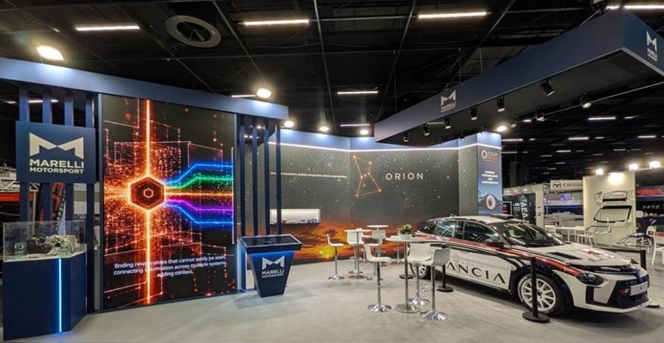
Marelli presented ORION, a data cloud artificial intelligence platform for motorsport intelligence, at the Professional MotorSport World Expo 2026 in Cologne, Germany.
The platform is engineered to integrate disparate motorsport data sources, structure information in the cloud and apply artificial intelligence (AI) to support analytics, decision-making, fan engagement and auditable services for teams, federations, promoters and media organisations.
Alongside the platform, the company exhibited technologies including the HSC 130 high-speed camera featuring 500 frames-per-second full high-definition recording, the SA-140 LTE smart antenna telemetry system, and the IPS 290 six-axis redundant inertial platform with real-time kinematic multi-band global navigation satellite system.
The display also featured the vehicle edge controller family – including the VEC 480, VEC 200 and VEC 320 – alongside electronic control units, data loggers, dashboards, telemetry systems, fuel systems, ignition technologies, power electronics and the REV-500 electric front powertrain.
Horse Powertrain Reveals First Production-Ready Hybrid V8 Powertrain
- By MT Bureau
- November 13, 2026
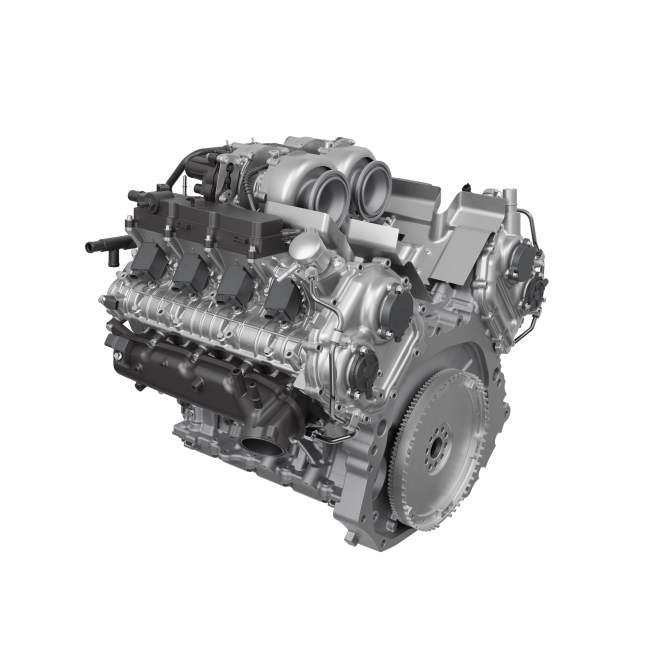
Horse Powertrain, a global player in low-emission and innovative powertrain systems, has unveiled its first production-ready V8 engine, the HORSE W40. Developed for high-performance hybrid vehicle platforms, the 4.0-litre eight-cylinder unit ranks among the market's most power-dense V8 offerings, weighing just 200 kg while producing over 500 kW and 800 Nm. That blend of strong low-end torque and high peak power makes it suited to sports cars, pick-up trucks and off-road vehicles alike.
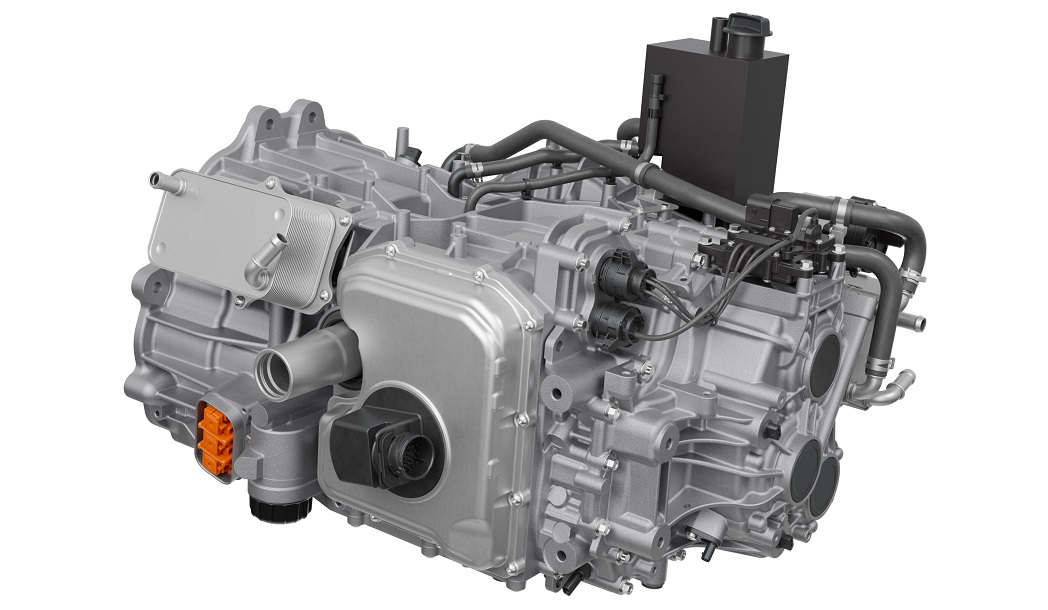
The engine is laid out longitudinally with twin top-mounted turbochargers in a hot-V configuration, and it borrows advanced direct fuel injection, extensive lightweighting and a shortened turbo intake path from across the company's portfolio to achieve its power and torque density. Complementing it is the HORSE 8LDCT, an eight-speed transmission with a sportscar-grade wet dual clutch that delivers a pre-fill time below 50 ms and shift response under 20 ms, plus a silicon carbide control system, power module, variable-displacement mechanical pump and support for up to 1,050 Nm.
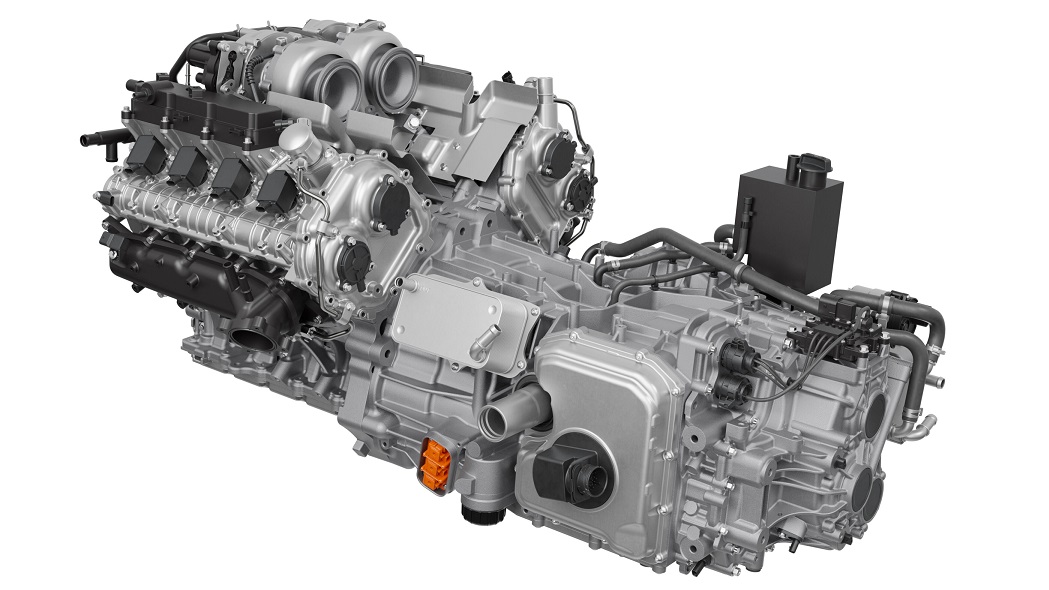
Both components will make their world debut as an integrated set in Lotus's upcoming Type 135 supercar, the brand's first entry into the category. The pairing is intended to cement the W40's position as the leading hybrid engine for top-end vehicles, combining high output with hybrid-ready efficiency. Horse Powertrain says the integrated package demonstrates how its portfolio technologies can be brought together to serve demanding performance applications.
Matias Giannini, CEO, Horse Powertrain, said, “The HORSE W40 marks another landmark achievement for Horse Powertrain’s engineering teams, with our world-class technology powering one of the most power-dense V8s in automotive history. This hybrid-first engine has been built with our company’s full-powertrain perspective and expertise, designed for integration from the outset with our landmark HORSE 8LDCT transmission. In powering the Lotus Type 135, Horse Powertrain is both advancing the state of the art of automotive engineering while making a historic contribution to the world-renowned Lotus brand.”
Feng Qingfeng, CEO, Lotus, said, “We are excited to partner with Horse Powertrain to bring its advanced V8 engine and hybrid transmission technology to the upcoming Lotus Type 135. The HORSE W40 V8 engine and 8LDCT hybrid transmission represent significant advances in powertrain engineering, combining exceptional power and torque density with a highly integrated design. By bringing these technologies together with Lotus’ expertise in lightweight engineering and chassis dynamics, we aim to deliver a new generation of supercar performance, combining outstanding power, efficiency and the precise, engaging driving experience that defines Lotus.”
Ten-Nine Technologies Partners Rune Nordgaard Consulting To Expand TENIX In Japan
- By MT Bureau
- November 13, 2026
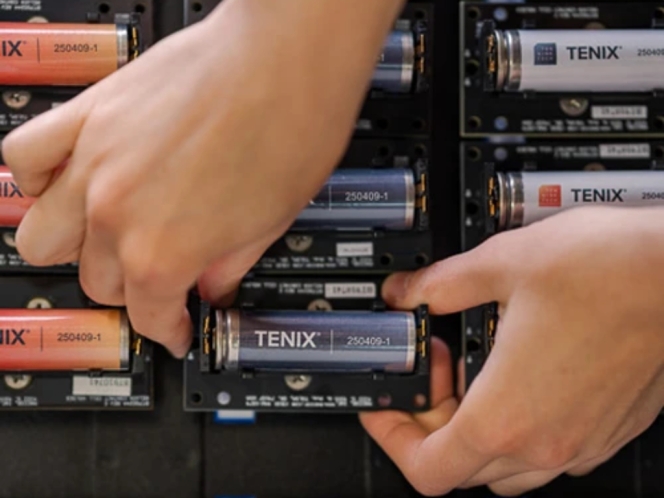
US-headquartered Ten-Nine Technologies has entered a market development partnership with Tokyo-based Rune Nordgaard Consulting (RNC) to expand the evaluation and commercialisation of its 'TENIX' battery additive across Japan's battery value chain.
Headquartered in Tulsa, Oklahoma, Ten-Nine Technologies is said to have developed proprietary nano-scale materials that improve battery performance, longevity and stability across lithium-ion chemistries. The company claims its flagship technology, christened TENIX, is a cathode additive engineered to extend cycle life, improve thermal performance and unlock more value from every cell.
TENIX is a powder additive blended into cathode active materials during manufacturing at 0.5 to 2 percent of cathode weight without requiring equipment modifications or battery redesigns. In third-party evaluations across nickel-manganese-cobalt (NMC) and lithium-manganese-oxide (LMO) chemistries, the additive increased charge-discharge cycles by over 75 percent, extending electric vehicle battery lifespans from 150,000 to over 265,000 miles while reducing cost per kilowatt-hour by approximately 40 percent, lowering resistance by 10 percent and decreasing lifetime heat output by around 40 percent.
Under the agreement, RNC will act as Ten-Nine's representative in Japan, facilitating engagement with automotive original equipment manufacturers, battery makers, cathode producers, trading houses and research institutions.
Since May 2026, RNC has introduced TENIX to battery manufacturers, automotive firms, and cathode materials producers in Japan to support technical evaluations and customer qualification processes.
Paige Johnson, CEO, Ten-Nine Technologies, said, “Japan has played a foundational role in the development of the global lithium-ion battery industry. RNC’s deep understanding of the Japanese battery ecosystem and extensive industry network make them an ideal partner as we continue expanding our global presence.”
Rune Nordgaard, Founder, Rune Nordgaard Consulting, said, “Japan is one of the world’s most important battery markets, but success here requires trust, technical understanding, and strong local follow-up. TENIX has demonstrated excellent performance in NMC and LMO cathode chemistries, with strong potential for all-solid-state batteries as well, and I believe it will be of real interest to battery and battery-related companies across Japan. We’re pleased to support Ten-Nine, whose professionalism, technical rigour, and commitment to customers give us confidence in introducing TENIX to potential partners in Japan.
Audi Introduces Bidirectional Charging And Three Battery Variants On A2 e-tron
- By MT Bureau
- November 13, 2026
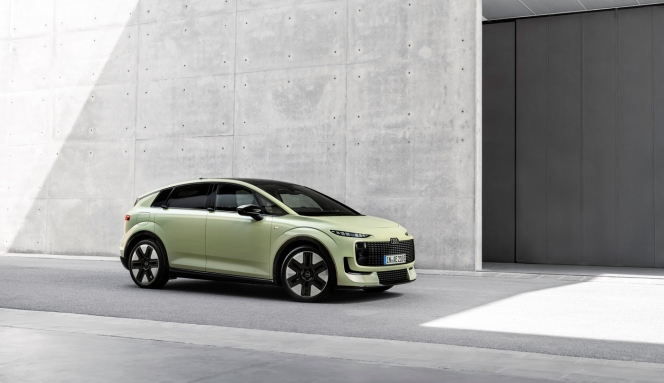
German luxury carmaker Audi has detailed the battery architecture and bidirectional charging capabilities of the Audi A2 e-tron, which is available to order in three battery configurations of 52, 61 and 84 kWh.
The EV features Vehicle-to-Load (V2L) functionality to power devices and Vehicle-to-Home (V2H) capability to supply electricity to households when paired with a DC wallbox, with Vehicle-to-Grid (V2G) functionality planned to feed energy into the power grid in the future.
The 52 kWh and 61 kWh variants use lithium iron phosphate (LFP) batteries arranged in a cell-to-pack layout, while the 84 kWh variant uses a nickel-manganese-cobalt battery. Depending on the configuration, direct current charging powers range between 100 and 183 kW, charging the battery from 10 to 80 per cent in 24 minutes for the 52 kWh version, 26 minutes for the 61 kWh version, and 29 minutes for the 84 kWh versions.
The vehicle incorporates an OCDC 2.0 unit that integrates the on-board charger and DC/DC converter, utilising metal-oxide-semiconductor field-effect transistors (MOSFETs) and alternating current output management software. A thermal management system regulates battery temperature, current flow, and state of charge during charging and discharging cycles, while a battery management controller employs an algorithm to track state of charge, ageing, and range calculations across the LFP cells.
Comments (0)
ADD COMMENT