

Aluminium Association of India Ask Centre To Hike Import Duty And Encourage Domestic Production
- By MT Bureau
- October 28, 2024
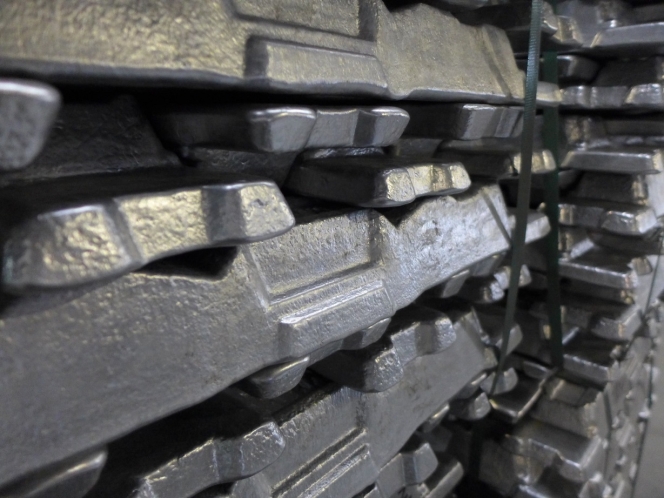
The Aluminium Association of India (AAI), the apex body representing aluminium producers in India, has submitted its pre-budget representation to the Department for Promotion of Industry and Internal Trade (DPIIT) under Ministry of Commerce, Government of India.
It emphasises aluminium’s crucial role in India’s continued growth, especially as the nation envisions becoming a ‘Viksit Bharat’ by 2047. High aluminium usage is an established marker of advanced economies, given the metal’s extensive use in both present and futuristic applications. This has led several nations like USA, Malaysia and Indonesia to designate aluminium as a ‘strategic sector’.
As per industry estimates, India’s per capita consumption of aluminium is still around 3kg per annum, compared to the global average of 12kg. However, the sector is facing major challenges in attracting fresh investments, despite domestic demand for aluminium set to reach 10 MTPA by 2030. So far, the Indian aluminium industry has invested over USD 20 billion, to expand production capacity to 4.2 MTPA to meet the growing demand. However, a further investment of about USD 40 billion over the next 6 years will be needed to meet the expected demand of 10 MTPA, while also creating more jobs within India.
AAI states that given that aluminium is a strategic metal with extensive usage in defence, aerospace and sunrise sectors of renewables, electric vehicles, power transmission and sustainable infrastructure, it is paramount for India to be self-sufficient in aluminium production. Towards encouraging fresh investments, aluminium producers have requested the Central Government to safeguard the industry from surging imports.
The industry body states that over the past couple of years, imports of primary aluminium have doubled while there has also been a significant surge in low-quality scrap and downstream products, especially from China.
Industry members have highlighted that the influx of imports in the domestic market is a deterrent to making new investments in the sector, even when India has all the necessary ingredients to emerge as a global aluminium hub. According to them, the primary reason for the surge in imports is the low import duties on primary/downstream products and a prevalent duty difference between primary goods and scrap in aluminium. This is unlike other key non-ferrous metals, where the duty for scrap and primary is at par.
AAI states it is therefore requesting the Central Government to help ensure the nation’s self-sufficiency and attract new investments by increasing the import duty on primary/downstream products to 10 percent from the existing 7.5 percent. Additionally, to control cheap imports, the duty on aluminium scrap also needs to be set at 7.5 percent, at par with other aluminium products. This measure would encourage the recycling of domestic scrap and limit the influx of low-quality foreign scrap, helping strengthen the circular economy.
To ensure global competitiveness, it is essential that policies nurture a sustainable environment, fostering growth for the domestic industry while positioning India as a leader in the global market. This will provide some relief to the industry, already burdened by high tax and regulatory charges.
At present, the industry incurs around 17 percent of its cost of production in taxes, levies, and regulatory compliance charges. To ease this burden, the AAI has proposed an urgent rationalising of duties on crucial raw materials.
The domestic aluminium industry’s existing investments in capacity have led to the creation of over 800,000 direct and indirect jobs and spurred the development of more than 4,000 small and medium enterprises (SMEs) in remote regions, particularly in the downstream sector. According to the AAI, the additional investment of USD 40 billion to meet domestic demand would align with the Prime Minister's vision for an ‘Atmanirbhar Bharat’, while also creating 2 million livelihood opportunities across the country. With government support in the form of duty rationalisation and enhanced import restrictions, the domestic producers are confident of contributing to India's journey toward self-reliance.
Representational image courses: Victor Kovshevny/Flickr
- Skoda Auto Volkswagen India
- Skoda India
- Octavia
- Laura
- Superb
- Kodiaq
- Kushaq
- Slavia
- Kylaq
- Andreas Dick
- Piyush Arora
Skoda Auto Volkswagen Rolls Out 500,000th Made In India Skoda Car
- By MT Bureau
- July 04, 2025
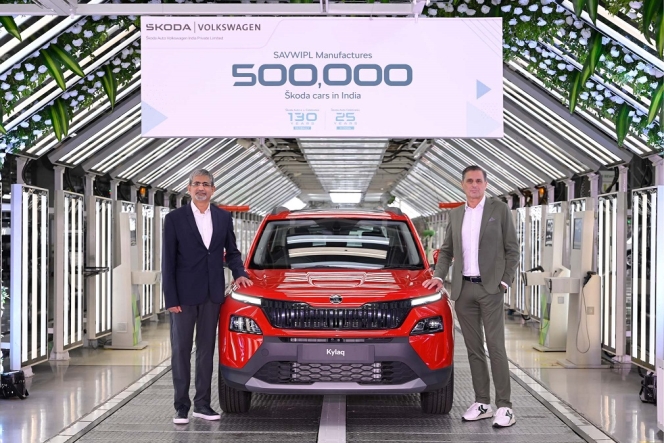
Skoda Auto Volkswagen India has announced that it has achieved a major manufacturing milestone in its operations. The company recently rolled out its 500,000th made-in-India Skoda vehicle.
The milestone comes after 24 years since the company introduced the first Skoda Octavia from its Chhatrapati Sambhaji Nagar facility (formerly Aurangabad) in 2001.
At present, the company manufactures vehicles across two facilities in India – Chhatrapati Sambhaji Nagar and Pune, with them now supporting the company’s new manufacturing plant in Vietnam with parts and components.
Over the years, Skoda has rolled out its iconic products such as Octavia, Laura, Superb and Kodiaq to new products like the Kushaq, Slavia and its first sub-4-meter Kylaq.
Andreas Dick, Board Member for Production and Logistics, Skoda Auto, said, “Reaching the milestone of 500,000 cars produced in India is a proud testament to our strategic vision of unwavering commitment to India and operational excellence. By nurturing local engineering talent and embedding global manufacturing processes, we’ve built an ecosystem that is agile, scalable, and responsive to a dynamically changing environment that meets the highest international standards. This achievement reflects the synergy between world-class innovation and India’s growing industrial prowess.”
Piyush Arora, CEO & Managing Director, Skoda Auto Volkswagen India, said, “It is not just about manufacturing 500,000 cars, but building and nurturing 500,000 connections. Every car that rolls out of our production lines, shares DNA of European engineering with unmatched quality, crafted with precision; delivering supreme comfort, safety, technology and driving dynamics. This achievement belongs as much to our customers as it does to our employees. Because what we’re manufacturing here isn’t just mobility, it’s a belief in what India can make for domestic as well as international markets. India plays a pivotal role in the Group’s growth strategy. I am glad to mention that we achieve this manufacturing milestone in the same year as Skoda Auto celebrates 130 years of legacy globally and 25 years of presence in India.”
The company revealed that approximately 70 percent of the vehicles manufactured in India were rolled out from its Chhatrapati Sambhaji Nagar plant.
Shell Lubricants Acquires Raj Petro From Brenntag Group To Further Expand Lubricants Business
- By MT Bureau
- July 03, 2025
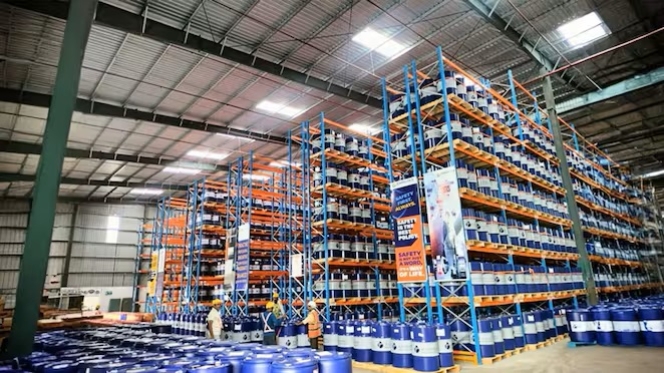
Shell Lubricants, the lubricants business of UK-headquartered Shell Group of companies, has acquired 100 percent equity stake in Raj Petro Specialities from Brenntag Group.
India is currently the world’s third-largest lubricant market and this initiative Shell expects to further expand its portfolio and customer base in the country, but also enhance its presence in the global markets.
Raj Petro is a multi-faceted petrochemical manufacturing and marketing company with business partners in about 100 countries across the globe and offers a wide range of products catering to power, energy, transport, construction, automotive, personal care, food, agriculture, pharmaceutical and other industries.
The acquisition of Raj Petro Specialities supports Shell Lubricants as it strives to grow its portfolio and customer base in India, which is one of its key growth markets.
Jason Wong, Executive Vice-President for Global Lubricants, Shell, said, “The addition of Raj Petro Specialities will help maximise value for Shell through a complementary product portfolio and increased scale of business, positioning Shell Lubricants for further growth in line with our unwavering focus on performance, discipline, and simplification.”
- SSAB
- Polmotors
- fossil-free materials
- decarbonised steel
- Vattenfall
- LKAB
- Volkswagen
- Audi
- BMW
- Peugeot
- Citroen
- Jeep
- Stellantis
- Mercedes-Benz
- Opel
- Maciej Grabos
- Robert Lewandowski
SSAB Partners Polmotors To Introduce Fossil-Free Steel Structural Automotive Components
- By MT Bureau
- June 27, 2025
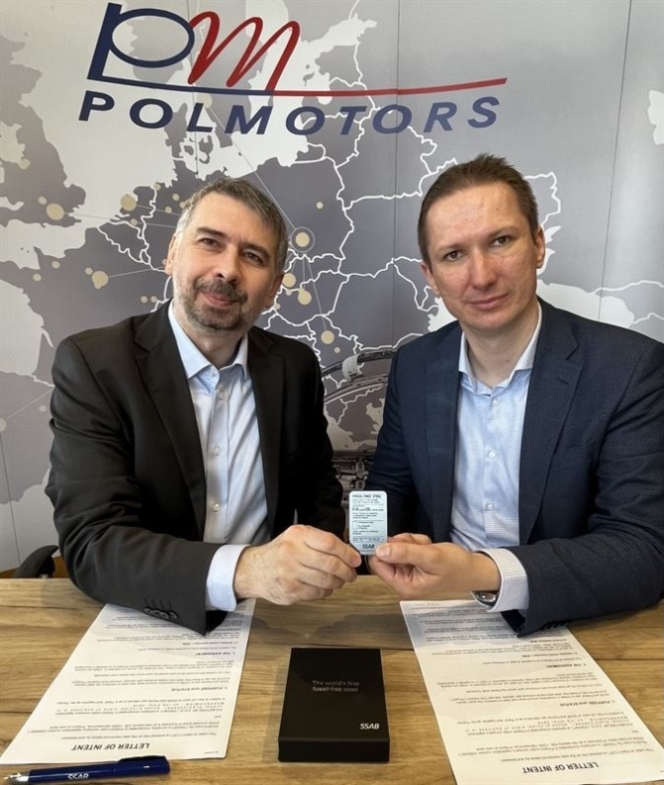
Swedish steel manufacturer SSAB has announced a new collaboration with Polmotors, a tier 1 supplier focusing on low-emission products, for exploring the potential of fossil-free materials in demanding automotive applications.
The partnership will see Polmotors explore manufacturing components using SSAB’s decarbonised steel.
SSAB is working on two unique decarbonised steels and aims to largely eliminate carbon dioxide emissions from its own operations. It has already introduced SSAB Zero, which is based on recycled steel and made using fossil-free energy. The company claims that it has also successfully produced the world’s first fossil-free steel. It works with iron ore producer LKAB and energy company Vattenfall as part of the HYBRIT initiative to develop a value chain for fossil-free iron- and steel production, replacing the coking coal traditionally used for iron ore-based steelmaking with fossil-free electricity and hydrogen. This process virtually eliminates carbon dioxide emissions in steel production.
On the other hand, Polmotors closely works with the likes of Volkswagen, Audi, BMW, Peugeot, Citroen, Jeep, Stellantis, Mercedes-Benz and Opel among others, to introduce high-performance components which are not only lighter but also greener.
Maciej Grabos, CEO, Polmotors, said, “Polmotors sees the future of fossil-free steel. And the potential competitive advantage of being an early adopter, positioning ourselves to meet the anticipated market demand from premium automotive OEMs. We design and manufacture crash management systems (CMSs) for these customers, such as bumpers and rally bars, so choice of materials is crucial. Polmotors looks forward to joint R&D – working with SSAB and the OEMs – for the implementation of new steel grades in our products.”
Robert Lewandowski, Key Account Manager, SSAB, said, “Polmotors recently celebrated its 35thanniversary. I’ve had the pleasure and privilege to meet them 20 years ago and observe how an initially small, Polish-owned enterprise turned into a global Tier1 supplier. Decarbonisation of the automotive industry requires cooperation across the supply chain where Tier 1 companies play an important role”.
- Ministry of Heavy Industries
- HD Kumaraswamy
- Narendra Modi
- Scheme to Promote Manufacturing of Electric Passenger Cars in India
Heavy Industry Ministry Rolls Out Scheme To Promote EV Manufacturing In India
- By MT Bureau
- June 25, 2025
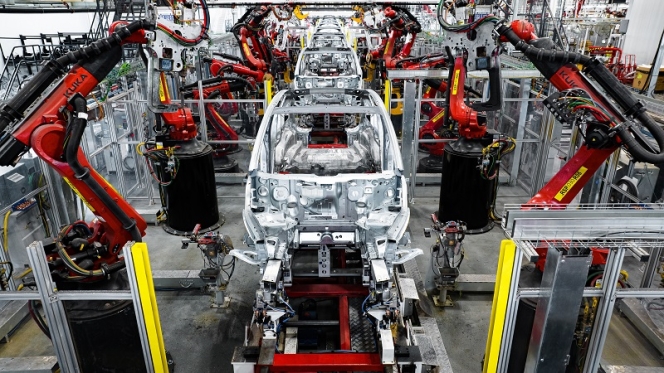
The Ministry of Heavy Industries (MHI) has announced a new initiative to promote green mobility in the country under the ‘Scheme to Promote Manufacturing of Electric Passenger Cars in India’ (SPMECI).
The initiative aims to focus on encouraging the manufacturing of electric four-wheelers in the country. The scheme eventually looks to establish India as a premier global EV-manufacturing hub and attract investments from global electric vehicle companies, along with generating employment.
The Ministry of Heavy Industry has opened the application portal for a period of around 3 months starting from 24 June 2025 till 6pm on 21st October 2025.
HD Kumaraswamy, Union Minister for Heavy Industries and Steel of India, said, “Guided by the visionary leadership of Prime Minister Narendra Modi, this initiative marks a defining moment in India’s journey towards clean, self-reliant and future-ready mobility. The launch of this portal under the SPMEPCI scheme opens new avenues for global electric vehicle manufacturers to invest in India’s rapidly evolving automotive landscape. This scheme not only supports our national commitment to achieving Net Zero by 2070, but also reinforces our resolve to build a sustainable, innovation-driven economy.”
As per the guidelines, all approved applicants will need to invest a minimum of INR 41.5 billion to establish long-term manufacturing footprints in India. Global OEMs who invest in the country will be able to import electric passenger vehicles as Completely Built Units (CBUs) with a minimum CIF value of USD 35,000 at reduced customs duty of 15 percent for a period of five years from the Application Approval Date.
The Ministry has announced calibrated customs duty concessions and clearly defined Domestic Value Addition (DVA) milestones to strike a balance between the introduction of advanced EV technologies and the use of indigenous capabilities. Through domestic value addition targets, the scheme aims to fast track global and domestic companies towards becoming active partners in the country’s green mobility revolution.
SPMECI had been notified by a notification given on 15 March 2024.

Comments (0)
ADD COMMENT