

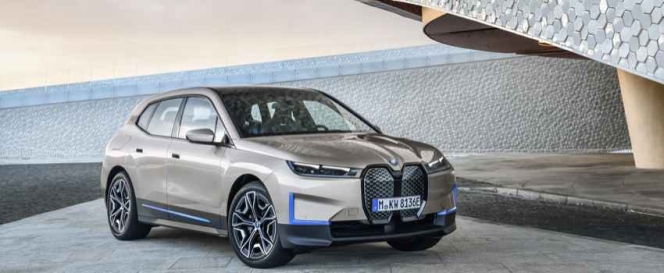
Conceived as pure electric mobility, the new car will redefine the Sports Activity Vehicle (SAV) concept. The newly developed, precise and minimalist design of the BMW iX is representative of a trailblazing generation of cars poised to redefine the driving experience, the feeling of space inside and the relationship between vehicles and those on board.
The BMW iX is created to provide quality of life and wellbeing for drivers and passengers. The vehicle harnesses the latest innovations in the fields of electrification, automated driving and connectivity to deliver a mobility experience which puts people more than ever at its heart. The clear and minimalist design of the car’s exterior showcases a new form of mobility geared squarely to the needs of the vehicle’s occupants. In contrast, the interior design offers those on-board innovative options for using the time during a journey enjoying relaxation, safety, security, and a new form of luxury in the process.
The concept and design of the BMW iX are rooted in an all-embracing approach to sustainability. It is reflected in the areas such as optimised aerodynamics, intelligent lightweight design and extensive use of natural and recycled materials that help to create a cutting-edge sense of luxury and comprehensive feeling of wellbeing on board.

The car comes with the fifth generation of BMW eDrive technology – which encompasses the two electric motors, power electronics, charging technology and the high-voltage battery which guarantees exceptional efficiency and long-range. The power unit is manufactured using sustainable materials without the use of critical raw materials like rare earth elements, and by the most recent calculations will develop maximum output of more than 370 kW. This unit will be enough to power the car from 0 to 100 km/h (62 mph) in under 5.0 seconds. At the same time, the vehicle’s apparent aim is to post an exceptionally low combined electric power consumption figure for its segment of less than 21 kWh per 100 kilometres (62 miles) in the WLTP test cycle.
The BMW iX comes with a new charging technology that enables DC fast charging at up to 200 kW. This technology allows the vehicle to be charged from 10 to 80 percent of its full capacity in under 40 minutes. Ten minutes charge can feed enough energy into the battery to increase the car’s range by more than 120 kilometers (75 miles). On a standard Wallbox at 11 kW, the high-voltage battery can be charged from 0 to 100 percent in less than eleven hours. The batteries in the car are designed as a part of a long-term resource cycle, making it exceptionally easy to recycle. Besides, the power used to produce the cells, and the high voltage battery comes exclusively from renewable sources contributing to an eco-friendly future.
The new technology toolkit making its debut in the car has computing power in the areas of automated driving and digital services, 20 times more than the previous models. As a result, around double the amount of data from vehicle sensors can be processed than was previously possible.
Talking about the technology and the computing power of the car, Frank Weber, Member of the Board of Management of BMW AG said, “We are setting new industry standards with the technology in the BMW iX”. The iX has more computing power and more robust sensor technology that will help in new and improved automated driving and parking functions and using the high-performing fifth-generation electric drive system.
The kidney grille at the front has been completely blanked off and converted into an intelligence panel. The camera technology, radar function and other sensors are integrated seamlessly into the grill behind a transparent surface. The grill has reinvented itself as an innovative and multifunctional high-tech interface for the advanced driver assistance systems which paves the way for automated driving. Developed and produced at BMW’s LuTZ lightweight design and technology centre the kidney grille presents a technological showcase for intelligent mobility. Also, the material used to make the intelligence panel on the kidney grille is self-healing.
Like the kidney grille, all the technologies are subtly located on the car. For example, an array of sensors and cameras are discreetly placed around the vehicle to help with automated driving. The filler neck for the windscreen washer fluid is concealed under the BMW logo on the bonnet. The rear-view camera has been integrated into the BMW logo on the tailgate. Technology stays in the background and only becomes apparent as and when the relevant functions are called into action.
The exterior design of the car features the slimmest headlight units ever on a series-production model from the carmaker. The flush-fitted door handles, the frameless side windows, the tailgate – which has no separation joints and extends across the whole of the rear and the likewise extremely slim rear lights carry forward the minimalistic theme.
 On the inside the newly developed seats with integral head restraints and a vast electrochromic panoramic glass roof that imbibes the feeling of spaciousness and gives the cabin a luxurious lounge-like ambience. The all-new architecture of the car adds to the straightforward functionality that revolves around the needs and emotions of the driver and the passengers. The missing central tunnel adds to the open, airy feel while allowing extra legroom.
The interior involves shy technology, which makes previously visible functions hidden and creating stylish elegance. The technology represents the panels wherein the controls on the central console of the car are placed. It only becomes visible when it is needed making it intuitive to use rather than seeming overly complicated. The shy tech approach for the interior can be seen in several features, including speakers integrated out of sight, intricately styled air vents, heated surfaces and the discreet recessing of the Head-Up Display’s projector into the instrument panel, so it is almost invisible.
The BMW iX is expected to hit the market in late 2021, showcasing the best of vehicle maker to come in the future. The company plans to launch 20 plus fully electric cars shortly, and the use of sustainable material to build cars show its concern towards a greener and better tomorrow. (MT)
- BMW India
- BMW Motorrad India
- Nurburgring
- BMW M2 Coupé
- BMW M3 Sedan
- BMW M4 Coupé
- BMW M5 Sedan
- BMW M5 Touring
- BMW M 1000 R
BMW And BMW Motorrad Introduce 100 Jahre Nurburgring Limited Edition Vehicles In India
- By MT Bureau
- October 02, 2026
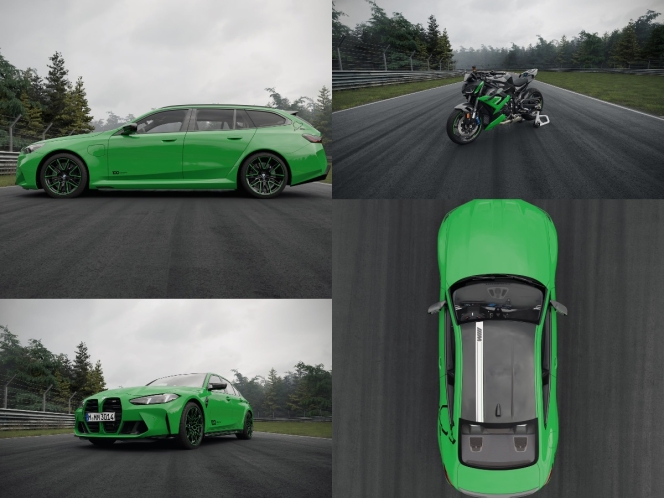
German automotive luxury brand BMW India and BMW Motorrad India have opened pre-orders for the ‘100 Jahre Nurburgring’ edition vehicles to mark the upcoming 100th anniversary of the Nurburgring racetrack in 2027.
The limited collection includes five BMW M car models – the BMW M2 Coupé, BMW M3 Sedan, BMW M4 Coupé, BMW M5 Sedan and the BMW M5 Touring – alongside the BMW M 1000 R motorcycle. The release marks the entry of the BMW M5 Touring into the Indian market.
The edition models feature specific paint finishes in Nurburgring Green and Sapphire Black metallic with green accents, incorporating the ‘100 Years’ logo, Nurburgring since 1927 lettering and the Nurburgring circuit outline.
Exterior details include carbon fibre roofs, model-specific graphics and green wheel accents across select models, while the M5 Touring features a steel roof with custom stripes. Interior specifications across the car lineup include black leather with green and white stitching, door sills, carbon fibre trims, M Carbon bucket seats with individual upholstery, and an M Alcantara steering wheel with a 12 o'clock marker.
The BMW M 1000 R motorcycle features a painted fuel tank with the Nurburgring outline, an airbox cover with ‘one of 100’ numbering, carbon wheels with green accent stripes, an Alcantara seat with embroidered ‘100’ logos and black components for the rear swingarm and frame.
Honda Cars India Sales Decline 19% In September 2026
- By MT Bureau
- October 02, 2026
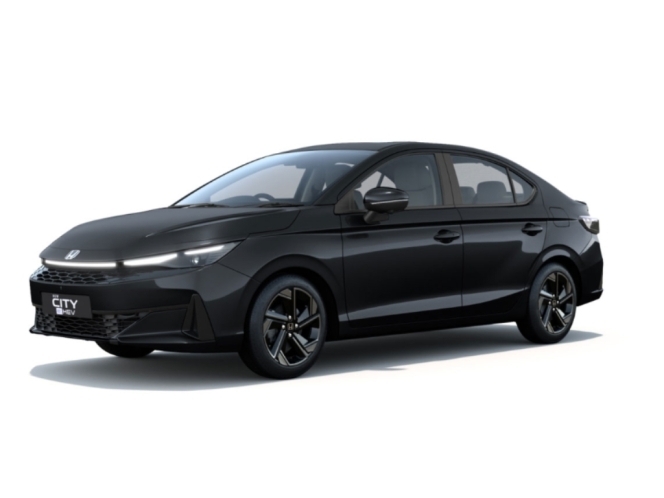
Honda Cars India (HCIL), one of the leading manufacturers of passenger vehicles in the country, has announced its wholesales for September 2026.
The company reported total sales of 6,955 units, down 16 percent YoY, as compared to 8,296 units sold for the same period last year.
In the domestic market, the company sold 4,465 units, down 19 percent YoY, as compared to 5,503 units sold a year ago. On the exports front, the company shipped 2,490 units, down 11 percent YoY, as compared to 2,793 units last year.
Kunal Behl, Vice-President, Marketing & Sales, Honda Cars India, said, We are pleased to see positive sales momentum for the Honda City and Honda Amaze during the month. We are also gearing up for the launch of new Elevate, which will further strengthen our SUV offering with a refreshed and enhanced package. With the festive season underway and an exciting product introduction ahead, we look forward to building stronger momentum in the coming months.”
Kia India Clocks Highest-Ever Monthly Sales Of 32,017 Units In September 2026
- By MT Bureau
- October 01, 2026
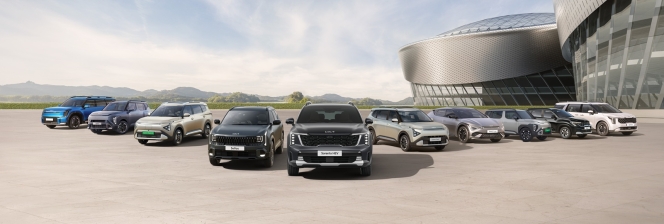
Kia India, one of the leading passenger vehicle manufacturers, has reported its best-ever monthly wholesale performance of 32,017 units in September 2026, representing a 41 percent increase compared to 22,700 units sold last year.
For Q3 of CY2026, the company recorded sales of 89,259 units, reflecting a 38.5 percent growth over 64,443 units for the same period last year.
In terms of YTD (January – September 2026) cumulative sales reached 253,008 units, marking a 22.5 percent increase from 206,582 units reported during the corresponding period in 2025.
Kia India attributed the robust performance to healthy demand across its portfolio incuding Seltos and Sonet models, alongside contributions from the Carens, Carens Clavis, Clavis EV, Syros EV and Sorento, which is offered in diesel and hybrid powertrain options. The company's powertrain options now span petrol, diesel, CNG, hybrid, and electric configurations across its product range.
Atul Sood, Senior Vice-President of Sales and Marketing, Kia India, said, "Our strong performance in September and across the third quarter reflects the continued trust of our customers and the strength of Kia’s evolving portfolio. The Seltos and Sonet continue to be key contributors to our growth, while the strong response to the Sorento and Syros EV reinforces our strategy of expanding into new segments and powertrain categories in line with evolving customer aspirations. As mobility needs become increasingly diverse, we are focused on providing meaningful choice across conventional, CNG, hybrid and electric powertrains, supported by ownership solutions that address real customer needs. We remain committed to building on this momentum through distinctive products, advanced technologies and differentiated experiences designed around the needs of Indian customers."
At present, Kia India operates a retail and service network comprising 915 touchpoints across 425 cities, alongside 137 certified pre-owned outlets across the country.
Toyota Kirloskar Motor Sells 25,027 PVs In September 2026
- By MT Bureau
- October 01, 2026
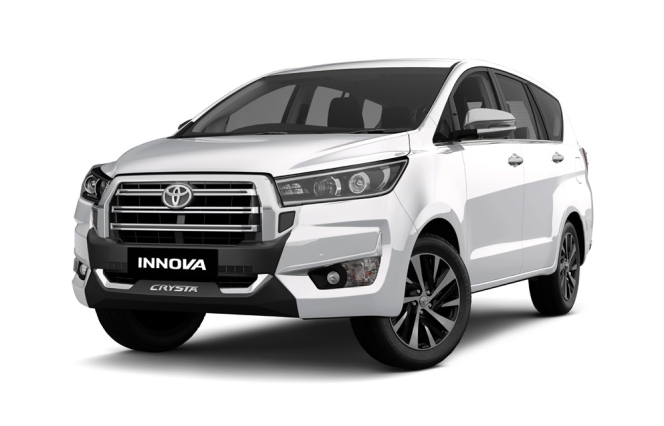
Toyota Kirloskar Motor (TKM), one of the leading passenger vehicle manufacturers, has reported its total wholesales of 28,218 units in September 2026, comprising 25,027 units sold in the domestic market and 3,191 units exported.
For the YTD period (January – September 2026), the automaker reported cumulative total sales of 294,914 units, representing an 8 percent increase compared to 272,824 units sold last year.
Domestic sales for the 9-month period rose 9 percent to 269,619 units, up from 247,081 units in the previous year, while exports reached 25,295 units, compared to 25,743 units a year ago.
Sabari Manohar, Executive Vice-President of Sales-Service-Used Car Business, Toyota Kirloskar Motor, said, "September witnessed continued customer interest across segments, supported by our focus on quality, durability and reliability. As we enter the festive season, we remain committed to strengthening customer engagement and working closely with our dealer partners to deliver enhanced mobility experiences and address evolving customer needs."
Comments (0)
ADD COMMENT