

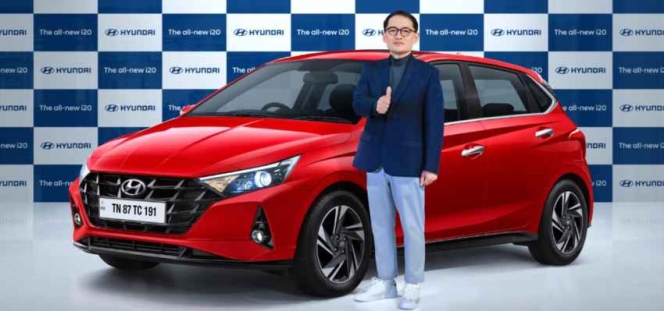
The i20 has already sold over 25 lakh globally, including 10 lakh is in India. According to the vehicle maker, over 50 percent customers in the premium compact segment choose i20. Therefore, the expectations of the new avatar are more. How magnetic will the new i20 be to appeal to customers is the key question to be answered. HMI left no stone unturned to make it suitable to get attracted by the customer through its six key pillars approach improving on interiors, exteriors, performance, safety, offering innovative technology and peace of mind in maintaining the car. Inspired by Hyundai global design philosophy – Sensuous Sportiness, the new car is sleek, agile and has progressive dimensions, incorporating a seamlessly integrated blend of advanced and modern character lines.
 Exteriors
LED headlamps with i20 branded LED DRLs, projector fog lamps and parametric jewel pattern grill that is designed to be oblique, accentuating smooth curvature around the car, make the exterior iconic. The muscular looks of the bonnet with sharp lines, the flyback chrome beltline design bold, large daylight opening area with quarter glass, shark fin antenna makes the car stand apart. The chrome garnish connecting the Z-shaped LED tail lamps with i20 branding, makes the rear appear wider. The branding is also in the side sill garnish.
With an improved vehicle forward flow, lowered front hood and implementation of the air curtain, among other enhancements, the new car offers enhanced aerodynamics. Through a combination of a body structure and systemic structural engineering materials, the vehicle provides customers with a thrilling and fun drive experience. The shell is designed not only to be attractive but also to be aerodynamic to support fuel economy, as the drag coefficient is as low as 0.33.
Compared to the outgoing i20 the new variant is longer by 10mm to 3,995mm, wider by 16mm to 1,750mm and wheelbase longer by 10mm to 2,580mm. The legroom is increased by 88mm and shoulder room by 40mm.
The new car comes in a wide choice of colour options on the all-new i20 including polar white, typhoon silver, titan grey, fiery red, starry night, metallic copper and dual-tone colour options such as polar white with black roof and fiery red with blacktop.
 Interiors
As and when you enter the car, the first thing that you notice is the roomy interior, perhaps due to the horizontal design pattern that runs across from door to door. The leatherette upholstery, the sleek dashboard, ambient blue light, digital cluster with TFT displaying multiple information, Oxyboost air purifier, wireless charger with a cooling pad, electric sunroof, add not only to comfort and convenience but also matches the taste of NexGen customers.
The 10 inch HD touchscreen infotainment system with navigation, compatible with Android Auto and Apple CarPlay, can be connected with multiple devices through Bluetooth. Hyundai is the first in the country to introduce the BOSE 7-speaker system (four speakers, two tweeters and a subwoofer), in this segment. Besides, the sliding front armrest, rear-seat armrest and tilt / telescopic steering add comfort.
Improved convenience is now delivered through BlueLink that offers 50 Connected Car features including first-in-segment Over-The-Air Updates (OTA) for enhanced in-car connectivity offering customers convenience and comfort. Customers can now experience voice-enabled functions by using Wake-Up Word ‘Hello BlueLink’ to control essential vehicle features such as climate control -temperature, fan speed control, airflow direction and air-intake type control (fresh/ circulation), radio, media, navigation assistance along with in-vehicle assistance like dial by number, India’s public holiday information and track live cricket scores, at the ease of a voice command.
It also offers enhanced convenience features such as remote engine start/ stop, remote lock/ unlock & climate control, remote vehicle status & alerts and even functions such as find my car location & share my car. The function also empowers customers with information such as auto crash notification, tyre pressure information and stolen vehicle tracking/ immobilisation.
The car also gets features such as digital cluster with TFT multi-information display offering information display for individual tyre pressure, drive info, fuel economy, parking warning and turn by turn navigation.
The horizontal lines in the exterior and interior make the car appear more expansive and roomier inside. Hyundai is offering the vehicle in Magna, Sportz, Asta and Asta (O) variants. Besides, it gives the customers a variety of petrol, diesel and turbo petrol engines and transmission options that include Intelligent Manual Transmission (iMT), Intelligent Variable Transmission (IVT), 7-Speed Dual Clutch Transmission (DCT) and Manual Transmissions. The 1.0-litre turbo petrol that develops 120PS of power comes in DCT and iMT options while the 1.2 Kappa that develops 88PS is mated to iVT – intelligent Variable Transmission. The 1.5-litre diesel engine that generates 100PS of power is coupled with 6-speed manual transmission.
The speciality of the car is that it is built on a lightweight K-platform with 66 percent of the body structure in advanced high strength steel. It not only enhances the crashworthiness but also make the car lighter. The use of advanced digital gauge to check the panel thinning distribution - crack, neck prediction methodology, helps in manufacturing zero crack panels. Since there are over 4,000 welding spots in each car, and more than 70 cars being processed every hour, the company deployed a high-quality welding process that features over 450 fourth-generation robots offering 100 percent weld automation. For an added layer of protection the car is equipped with 6-Airbags, Hill Assist Control, Vehicle Stability Management, Electronic Stability Control, Emergency Stop Signal, ISOFIX compatibility, DRVM (Driver Rear View Monitor), ABS with EBD, rear parking sensors, driver and passenger seatbelt reminder with pre-tensioner/load limiter.
The company is offering product assurance through wonder warranty options - three years/ 100,000 kms, four years/ 50,000 kms and five years/ 40,000 kms. Further, customers can get three years BlueLink subscription plus three years roadside assistance.
The company has also introduced a wide range of 50 accessories for the new car. It offers three accessory packs such as Essentio, Platinum and Radiant.
Overall there are 13 variants with different combinations of engines and gearbox, and all India ex-showroom prices range from INR 6.79 lakh up to INR 11.17 lakh.
With all the attributes the all-new i20 is a smart car for the smart Indian customers offering quality time for a happy life. (MT)
- BMW India
- BMW Motorrad India
- Nurburgring
- BMW M2 Coupé
- BMW M3 Sedan
- BMW M4 Coupé
- BMW M5 Sedan
- BMW M5 Touring
- BMW M 1000 R
BMW And BMW Motorrad Introduce 100 Jahre Nurburgring Limited Edition Vehicles In India
- By MT Bureau
- October 02, 2026
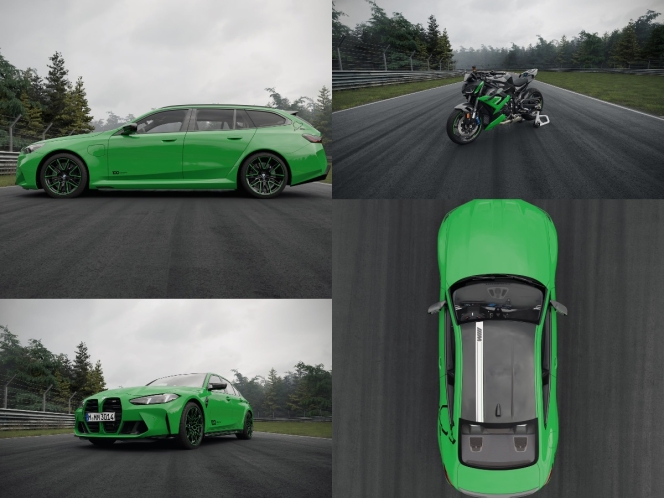
German automotive luxury brand BMW India and BMW Motorrad India have opened pre-orders for the ‘100 Jahre Nurburgring’ edition vehicles to mark the upcoming 100th anniversary of the Nurburgring racetrack in 2027.
The limited collection includes five BMW M car models – the BMW M2 Coupé, BMW M3 Sedan, BMW M4 Coupé, BMW M5 Sedan and the BMW M5 Touring – alongside the BMW M 1000 R motorcycle. The release marks the entry of the BMW M5 Touring into the Indian market.
The edition models feature specific paint finishes in Nurburgring Green and Sapphire Black metallic with green accents, incorporating the ‘100 Years’ logo, Nurburgring since 1927 lettering and the Nurburgring circuit outline.
Exterior details include carbon fibre roofs, model-specific graphics and green wheel accents across select models, while the M5 Touring features a steel roof with custom stripes. Interior specifications across the car lineup include black leather with green and white stitching, door sills, carbon fibre trims, M Carbon bucket seats with individual upholstery, and an M Alcantara steering wheel with a 12 o'clock marker.
The BMW M 1000 R motorcycle features a painted fuel tank with the Nurburgring outline, an airbox cover with ‘one of 100’ numbering, carbon wheels with green accent stripes, an Alcantara seat with embroidered ‘100’ logos and black components for the rear swingarm and frame.
Honda Cars India Sales Decline 19% In September 2026
- By MT Bureau
- October 02, 2026
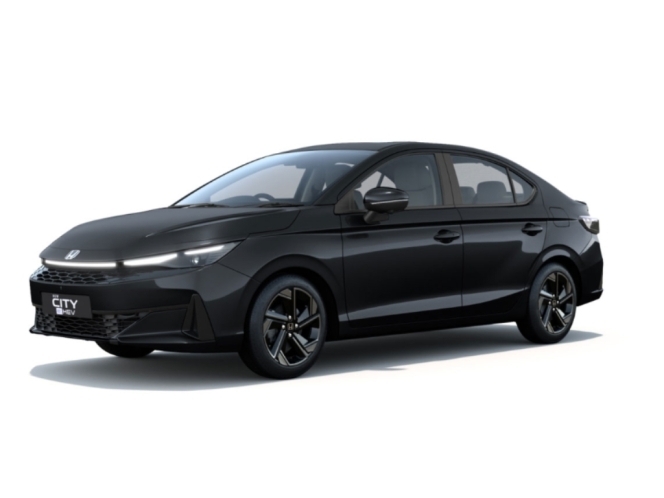
Honda Cars India (HCIL), one of the leading manufacturers of passenger vehicles in the country, has announced its wholesales for September 2026.
The company reported total sales of 6,955 units, down 16 percent YoY, as compared to 8,296 units sold for the same period last year.
In the domestic market, the company sold 4,465 units, down 19 percent YoY, as compared to 5,503 units sold a year ago. On the exports front, the company shipped 2,490 units, down 11 percent YoY, as compared to 2,793 units last year.
Kunal Behl, Vice-President, Marketing & Sales, Honda Cars India, said, We are pleased to see positive sales momentum for the Honda City and Honda Amaze during the month. We are also gearing up for the launch of new Elevate, which will further strengthen our SUV offering with a refreshed and enhanced package. With the festive season underway and an exciting product introduction ahead, we look forward to building stronger momentum in the coming months.”
Kia India Clocks Highest-Ever Monthly Sales Of 32,017 Units In September 2026
- By MT Bureau
- October 01, 2026
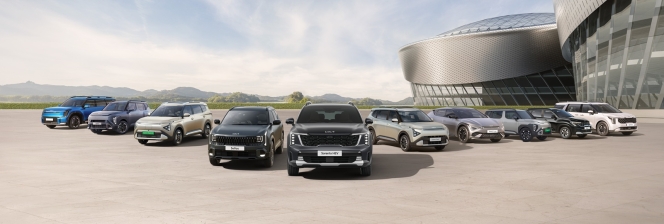
Kia India, one of the leading passenger vehicle manufacturers, has reported its best-ever monthly wholesale performance of 32,017 units in September 2026, representing a 41 percent increase compared to 22,700 units sold last year.
For Q3 of CY2026, the company recorded sales of 89,259 units, reflecting a 38.5 percent growth over 64,443 units for the same period last year.
In terms of YTD (January – September 2026) cumulative sales reached 253,008 units, marking a 22.5 percent increase from 206,582 units reported during the corresponding period in 2025.
Kia India attributed the robust performance to healthy demand across its portfolio incuding Seltos and Sonet models, alongside contributions from the Carens, Carens Clavis, Clavis EV, Syros EV and Sorento, which is offered in diesel and hybrid powertrain options. The company's powertrain options now span petrol, diesel, CNG, hybrid, and electric configurations across its product range.
Atul Sood, Senior Vice-President of Sales and Marketing, Kia India, said, "Our strong performance in September and across the third quarter reflects the continued trust of our customers and the strength of Kia’s evolving portfolio. The Seltos and Sonet continue to be key contributors to our growth, while the strong response to the Sorento and Syros EV reinforces our strategy of expanding into new segments and powertrain categories in line with evolving customer aspirations. As mobility needs become increasingly diverse, we are focused on providing meaningful choice across conventional, CNG, hybrid and electric powertrains, supported by ownership solutions that address real customer needs. We remain committed to building on this momentum through distinctive products, advanced technologies and differentiated experiences designed around the needs of Indian customers."
At present, Kia India operates a retail and service network comprising 915 touchpoints across 425 cities, alongside 137 certified pre-owned outlets across the country.
Toyota Kirloskar Motor Sells 25,027 PVs In September 2026
- By MT Bureau
- October 01, 2026
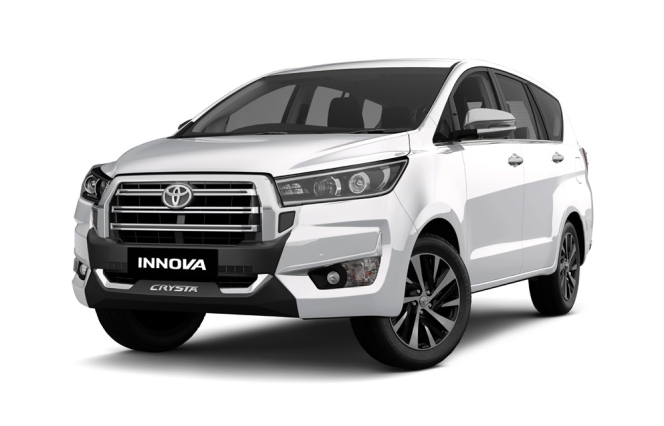
Toyota Kirloskar Motor (TKM), one of the leading passenger vehicle manufacturers, has reported its total wholesales of 28,218 units in September 2026, comprising 25,027 units sold in the domestic market and 3,191 units exported.
For the YTD period (January – September 2026), the automaker reported cumulative total sales of 294,914 units, representing an 8 percent increase compared to 272,824 units sold last year.
Domestic sales for the 9-month period rose 9 percent to 269,619 units, up from 247,081 units in the previous year, while exports reached 25,295 units, compared to 25,743 units a year ago.
Sabari Manohar, Executive Vice-President of Sales-Service-Used Car Business, Toyota Kirloskar Motor, said, "September witnessed continued customer interest across segments, supported by our focus on quality, durability and reliability. As we enter the festive season, we remain committed to strengthening customer engagement and working closely with our dealer partners to deliver enhanced mobility experiences and address evolving customer needs."
Comments (0)
ADD COMMENT